
















Close
SATEXPO 2026
Wednesday, April 8, 2026
CIOE 2026

Huawei unveils server chipset as it seeks new growth areas

Note* - All images used are for editorial and illustrative purposes only and may not originate from the original news provider or associated company.

Subscribe

- Never miss a story with notifications

- Gain full access to our premium content

- Browse free from any location or device.

Media Packs

Expand Your Reach With Our Customized Solutions Empowering Your Campaigns To Maximize Your Reach & Drive Real Results!

– Access the Media Pack Now

– Book a Conference Call

Leave Message for Us to Get Back

Related stories

Non-Terrestrial Networks Expanding Telecom Infrastructure

Non-terrestrial networks are redefining the boundaries of global connectivity by incorporating satellites, high-altitude platforms, and drones into the existing cellular framework. This expansion addresses the inherent limitations of ground-based towers, offering a resilient and comprehensive solution for rural coverage, emergency communications, and disaster recovery on a worldwide scale.

Satellite Integration Accelerating 5G and 6G Networks

Modern telecommunications are undergoing a profound shift as space-based assets merge with terrestrial cellular infrastructure to deliver ubiquitous high-speed connectivity. This evolution addresses the geographical limitations of traditional base stations, creating a unified global network capable of supporting the next generation of mobile technology and massive machine-type communications.

Satellite Backhaul Enabling Scalable Telecom Operations

Satellite backhaul has emerged as a cornerstone of modern network design, providing a flexible and cost-effective alternative to terrestrial fiber and microwave links. This technology allows telecom operators to bypass the physical constraints of ground-based infrastructure, facilitating rapid expansion into rural and underserved markets while maintaining a high standard of data transmission and service reliability.

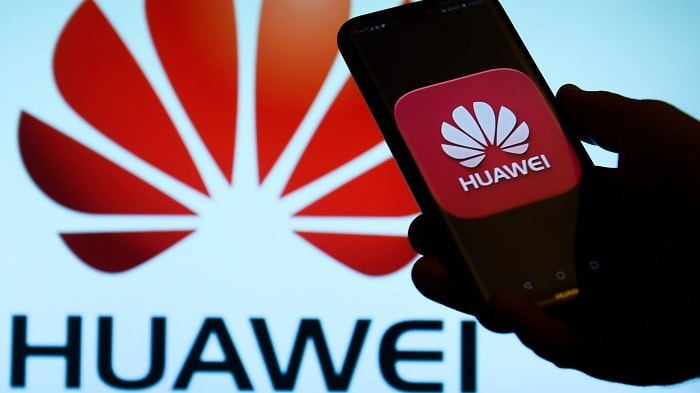
Huawei Technologies Co. launched a new chipset for use in servers, at a time when China is pushing to enhance its chip-making capabilities and reduce its heavy reliance on imports, especially from the United States.

Huawei, which derives the bulk of its revenue from selling telecommunications equipment and smartphones, is seeking growth avenues in cloud computing and enterprise services as its equipment business comes under increased scrutiny by the West, wary of Chinese government influence over the firm. Huawei has repeatedly denied any such influence.

Chinese firms are also seeking to minimize the impact of a trade dispute which has seen China and the United States slap tariffs on each other’s technology imports.

For Huawei, the launch of the chipset — called the Kunpeng 920 and designed by subsidiary HiSilicon — boosts its credentials as a semiconductor designer.

The Shenzhen-based company already makes the Kirin series of smartphone chips used in its high-end phones, and the Ascend series of chipsets for artificial intelligence computing launched in October.

It said its latest 7 nanometre, 64-core central processing unit (CPU) would provide much higher computing performance for data centers and slash power consumption. It is based on the architecture of British chip design firm ARM — owned by Japan’s SoftBank Group Corp. — which is seeking to challenge the dominance in server CPUs of U.S. maker Intel Corp.Speech

Latest stories

Related stories

Non-Terrestrial Networks Expanding Telecom Infrastructure

Non-terrestrial networks are redefining the boundaries of global connectivity by incorporating satellites, high-altitude platforms, and drones into the existing cellular framework. This expansion addresses the inherent limitations of ground-based towers, offering a resilient and comprehensive solution for rural coverage, emergency communications, and disaster recovery on a worldwide scale.

Satellite Integration Accelerating 5G and 6G Networks

Modern telecommunications are undergoing a profound shift as space-based assets merge with terrestrial cellular infrastructure to deliver ubiquitous high-speed connectivity. This evolution addresses the geographical limitations of traditional base stations, creating a unified global network capable of supporting the next generation of mobile technology and massive machine-type communications.

Satellite Backhaul Enabling Scalable Telecom Operations

Satellite backhaul has emerged as a cornerstone of modern network design, providing a flexible and cost-effective alternative to terrestrial fiber and microwave links. This technology allows telecom operators to bypass the physical constraints of ground-based infrastructure, facilitating rapid expansion into rural and underserved markets while maintaining a high standard of data transmission and service reliability.

Cloud Integrated Satellite Networks Transforming Telecom

The synergy between cloud computing and satellite communications is creating a more agile and responsive telecommunications framework. By virtualizing ground stations and moving network functions into the cloud, operators can provide high-speed data processing and real-time connectivity to global enterprises regardless of their location, driving a new wave of digital transformation.

Subscribe

- Never miss a story with notifications

- Gain full access to our premium content

- Browse free from any location or device.

Media Packs

Expand Your Reach With Our Customized Solutions Empowering Your Campaigns To Maximize Your Reach & Drive Real Results!

– Access the Media Pack Now

– Book a Conference Call

Leave Message for Us to Get Back

Translate »