





















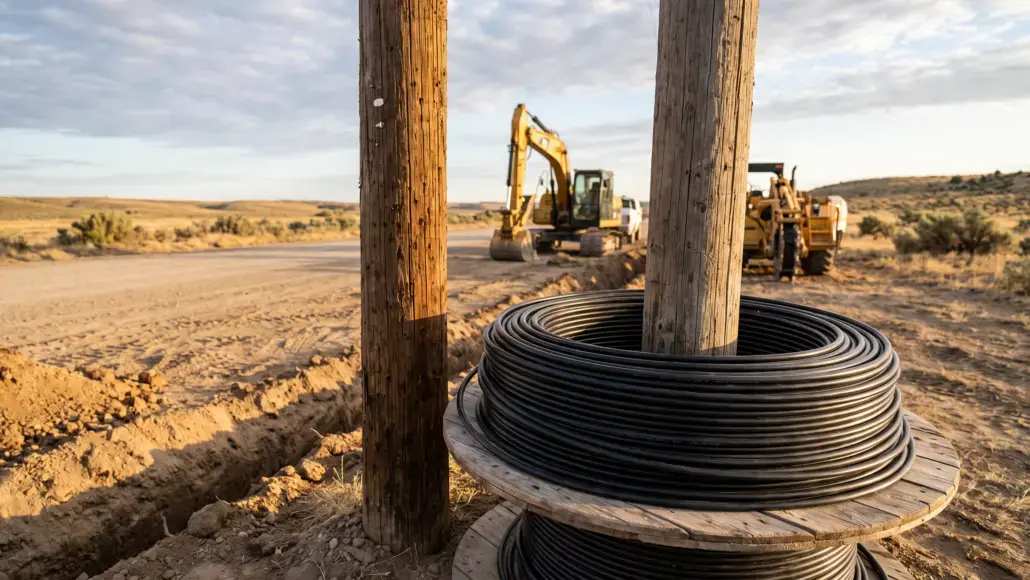

The National Telecommunications and Information Administration has announced that states and territories can now use remaining BEAD broadband funding for a new round of broadband deployment, redirecting billions of dollars originally held in reserve toward connecting additional unserved locations across the country. The decision applies to all 56 states and territories that have already received approval for their BEAD final proposals and opens a path for further broadband equity efforts aimed at closing the digital divide.
NTIA Opens New BEAD Deployment Round
Congress originally allocated $42.5 billion to the Broadband Equity, Access, and Deployment programme. After NTIA approved the final proposals submitted by all 56 states and territories, approximately $21 billion in funds remained unobligated, according to the agency. Those funds had previously been categorised as non-deployment allocations, but under the new determination, NTIA will allow states and territories to conduct an additional funding round dedicated to broadband deployment.
NTIA Administrator Arielle Roth said the decision follows the programme’s revised framework and is designed to address locations that may still lack reliable broadband service. “Congress designed the BEAD program to be the final federal broadband deployment program, ensuring universal broadband availability for America,” Roth stated. “We can now use these funds to address newly identified locations that may lack service.”
The agency noted that it spent several months soliciting public input on how best to allocate the remaining BEAD broadband funding, and that one consistent theme emerged from that feedback: the need to connect locations identified after states submitted their final proposals.
Where the Remaining Funds Can Be Used
Under NTIA’s determination, the remaining funds can be directed toward two categories of locations. The first includes newly identified unserved locations that were not previously included in the FCC broadband map at the time states filed their original proposals. The second covers locations that have become eligible as a result of defaults or changes in previous federal and state broadband programmes.
NTIA made its announcement in Alaska, where Senator Dan Sullivan said the decision could make approximately 5,000 additional locations in the state eligible for broadband deployment funding. Nebraska offers another example of how the policy could affect individual states. The source reports that only around $44.5 million of Nebraska’s BEAD allocation was spent in its initial round, leaving approximately $340 million in remaining funds that could now be directed toward additional unserved locations and broadband equity objectives.
Senator Deb Fischer of Nebraska said the programme is essential to getting all of the state connected and welcomed NTIA’s decision to make additional funding available for unconnected locations.
What the Decision Means for Broadband Deployment
The Fiber Broadband Association welcomed the announcement, stating that NTIA’s decision to prioritise a cleanup round aimed at reaching locations that still lack reliable broadband service is a positive step. The association emphasised that states and territories will play the leading role in executing the effort, noting that local broadband offices understand their communities, the locations that remain unserved, and the practical challenges involved in reaching them.
It is important to note that the decision makes BEAD broadband funding available for a new deployment round but does not mean projects have yet received or begun deploying those funds. States and territories will need to identify eligible locations, run their own processes, and select subgrantees before any additional broadband deployment projects move forward. The determination does, however, provide a clear federal signal that the remaining billions can be channelled toward closing the digital divide rather than sitting idle.
With all 56 states and territories now cleared to participate in this second round, the scope of the decision is national, and its effects on broadband equity and broadband deployment will depend on how quickly and effectively each state acts on the opportunity.