















Close
SATEXPO 2026
Monday, March 2, 2026
CABSAT 2026

T-Systems wins deal to manage mainframe infrastructure for KMD

Note* - All images used are for editorial and illustrative purposes only and may not originate from the original news provider or associated company.

Subscribe

- Never miss a story with notifications

- Gain full access to our premium content

- Browse free from any location or device.

Media Packs

Expand Your Reach With Our Customized Solutions Empowering Your Campaigns To Maximize Your Reach & Drive Real Results!

– Access the Media Pack Now

– Book a Conference Call

Leave Message for Us to Get Back

Related stories

Open RAN Architecture Transforming Telecom Markets

The telecommunications industry is currently undergoing a structural transition from proprietary, vendor-locked hardware to an open, software-defined ecosystem. By decoupling the hardware and software components of the radio access network, operators can foster a more competitive marketplace, accelerate the deployment of 5G infrastructure, and achieve a level of operational flexibility that is essential for the next generation of digital services.

Edge Data Centers Accelerate Low-Latency Networks

The centralization of computing power in distant cloud hubs is reaching its physical limits as the demand for real-time responsiveness in modern applications continues to soar. By relocating processing and storage to smaller, localized facilities at the network's periphery, organizations can drastically reduce transmission delays, enabling the next generation of industrial automation, immersive entertainment, and autonomous systems.

Intelligent Wi-Fi: WBA Stresses AI/ML-Driven Network Reform

WBA Publishes Industry First Guidance on Artificial Intelligence and...

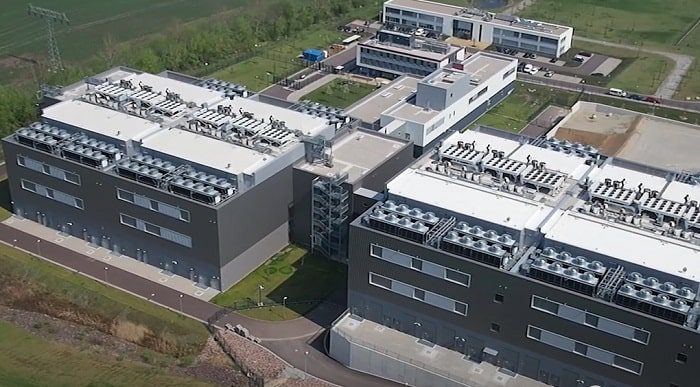
T-Systems has been selected to operate the mainframe infrastructure of Danish IT service provider KMD from 2025. The contract is the largest T-Systems has yet won in Denmark, and is set to last for seven years with the option to extend.

While T-Systems handles the operation and maintenance of KMD’s mainframes, KMD will be able to focus on developing and delivering its software and services in order to digitize Denmark’s public sector.

“Quality, stability, and security are becoming increasingly important to our business customers,” said Ferri Abolhassan, CEO of T-Systems and member of the board of Deutsche Telekom.

“That’s exactly what we want to offer KMD so that they can fully unleash their potential and continue to drive the digitalization of the Danish public sector. This deal is the largest so far for T-Systems in Denmark and emphasizes our commitment in the Nordics. We appreciate the trust placed in us.”

According to T-Systems, the company continues to see demand for mainframe services and competencies. Mainframe computers are typically used by large organizations and are often dedicated to mission-critical applications, for example tasks such as enterprise resource planning or large-scale transaction processing. Mainframes are able to process large amounts of data from high-speed storage devices.

In 2019, KMD became part of NEC Group, a company that focuses on the integration of IT and network technologies. KMD has extensive experience in the public sector and with government technologies.

“It has been of great importance to us that our mainframe environment will continue to be in safe hands going forward. At the same time, it is crucial that our suppliers have strong values that match ours – with a focus on reliability, security, and sustainability. In T-Systems, we have found a strong European-based partner with a solid foundation to provide sustainable and stable end-to-end services,” said Per Johansson, CEO of KMD.

T-Systems, founded in 2000, is an international operating service provider for IT and digital transformation. The company is part of Deutsche Telekom and is headquartered in Frankfurt, Germany.

Latest stories

Related stories

Open RAN Architecture Transforming Telecom Markets

The telecommunications industry is currently undergoing a structural transition from proprietary, vendor-locked hardware to an open, software-defined ecosystem. By decoupling the hardware and software components of the radio access network, operators can foster a more competitive marketplace, accelerate the deployment of 5G infrastructure, and achieve a level of operational flexibility that is essential for the next generation of digital services.

Edge Data Centers Accelerate Low-Latency Networks

The centralization of computing power in distant cloud hubs is reaching its physical limits as the demand for real-time responsiveness in modern applications continues to soar. By relocating processing and storage to smaller, localized facilities at the network's periphery, organizations can drastically reduce transmission delays, enabling the next generation of industrial automation, immersive entertainment, and autonomous systems.

Intelligent Wi-Fi: WBA Stresses AI/ML-Driven Network Reform

WBA Publishes Industry First Guidance on Artificial Intelligence and...

Enterprise IT Infrastructure for the AI Economy

The rapid ascent of artificial intelligence as the primary driver of corporate value is placing unprecedented demands on traditional data center and computing models. To thrive in the AI-centric economy, organizations must modernize their IT foundations, moving toward high-performance computing architectures and scalable cloud platforms that can handle the massive data volumes and intense processing requirements of modern machine learning workloads.

Subscribe

- Never miss a story with notifications

- Gain full access to our premium content

- Browse free from any location or device.

Media Packs

Expand Your Reach With Our Customized Solutions Empowering Your Campaigns To Maximize Your Reach & Drive Real Results!

– Access the Media Pack Now

– Book a Conference Call

Leave Message for Us to Get Back

Translate »