















Starlink is getting closer to establishing itself as a fully licensed telecom operator in several African countries, a step that could dramatically change the continent’s telecoms ecosystem.
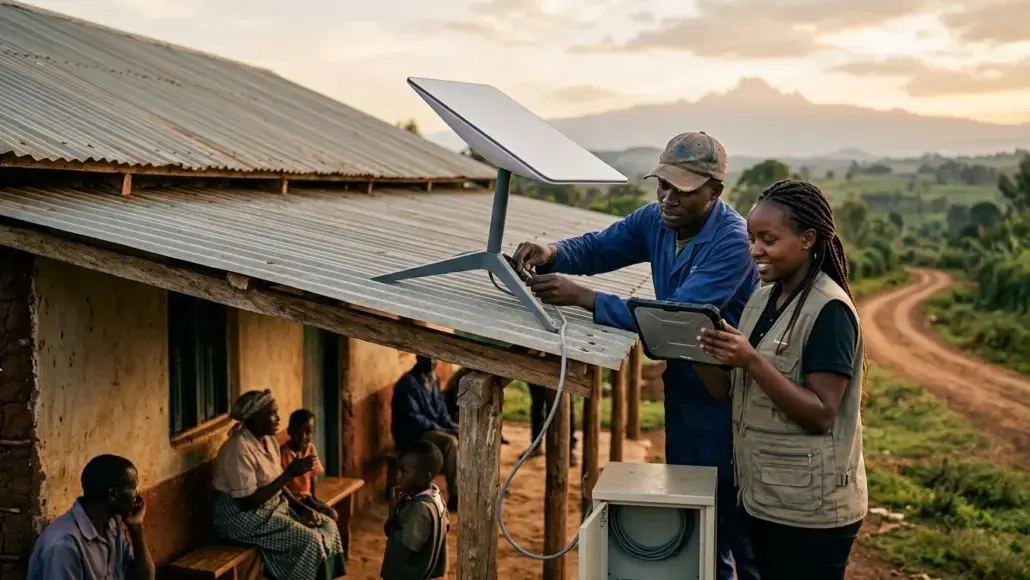
The satellite internet provider, owned by SpaceX from Elon Musk, has been rapidly expanding its offerings across Africa, providing rapid connectivity that does away with traditional terrestrial fibre as well as mobile network infrastructure. Its expanding footprint has already begun challenging traditional mobile network operators – MNOs along with fixed-line providers, especially in underdeveloped and rural regions where connectivity has traditionally been limited.
Now regulators across the continent are evaluating their structures in order to take into account new players like Starlink. They are also grappling with issues of equal competition, spectrum distribution, and regional content standards.
The regulatory environment is still developing, and how quickly Starlink and comparable satellite-based services can function as full-scale telecom operators will depend on that.
Industry analysts say that the pricing strategy from Starlink and the reliability of its service may significantly alter market dynamics. The company could also use competitive pricing along with uniform service quality to apply pressure on conventional operators to enhance their services and in turn potentially reduce expenses for consumers and boost innovation across competitors.
The stakes are getting higher for telecom operators of Africa. With Starlink approaching fully licensed telecom operator status, the race for customers, especially in rural and remote areas, is bound to get fiercer. The move also poses questions about the long-term market share as well as the future of conventional mobile along with fixed-line services throughout the region.
The trend is part of a larger worldwide shift, with satellite-based internet providers fighting off the supremacy of traditional telecom operators. In Africa, where the digital divide remains a huge challenge, the rise of Starlink could bring possibilities as well as obstacles – closing the digital gap while raising competition in an increasingly crowded market.