
















Globe Telecom Inc. is expanding satellite to mobile connectivity in the Philippines through its partnership with Starlink, working with technology companies, digital platforms and smartphone manufacturers to make satellite-based mobile services more accessible to users in remote and underserved areas.
The initiative builds on Globe’s partnership with Starlink, described by the company as the first of its kind in Southeast Asia. The collaboration is intended to extend mobile connectivity beyond the reach of conventional cell towers and help address persistent coverage gaps across the country.
Satellite to Mobile Connectivity Extends Coverage Beyond Cell Towers
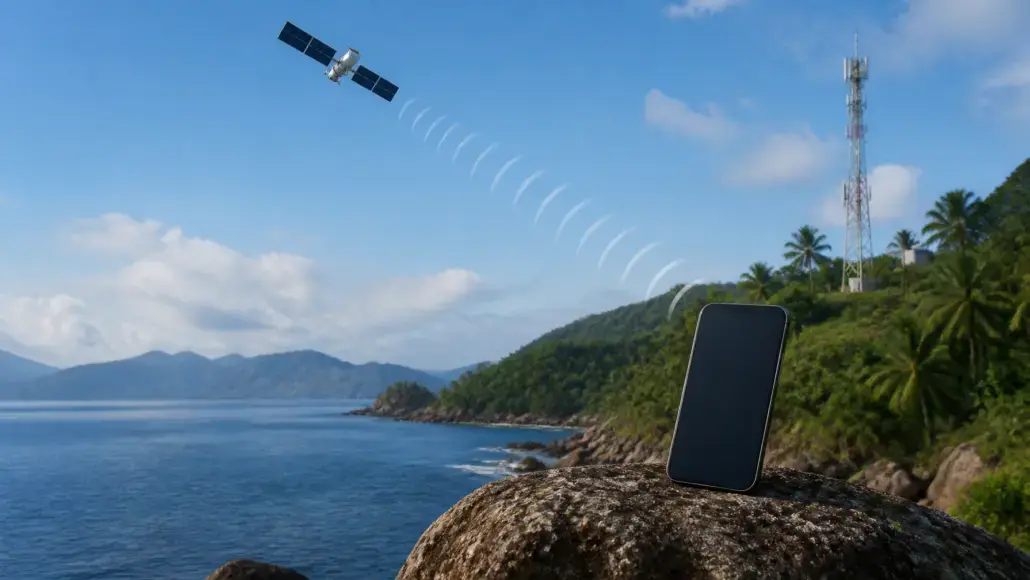
The satellite to mobile initiative is designed to provide connectivity in locations where terrestrial infrastructure is difficult to deploy or unable to provide reliable coverage.
Globe is working with global technology companies and digital platforms to improve the experience of users connecting through satellite networks. Applications including Messenger, WhatsApp and Google Maps are already being optimized for satellite connectivity scenarios.
The operator is also enhancing its own digital platforms, including GlobeOne and Globe Benta, so that essential services remain accessible when terrestrial networks are unavailable or limited.
For telecom operators, satellite to mobile technology offers a way to complement conventional network infrastructure rather than replace it. Direct satellite connectivity can extend coverage into remote communities, isolated islands and other areas where building additional cell sites may be challenging.
Smartphone Makers Support Satellite to Mobile Adoption
Device compatibility is another key element of Globe’s strategy. Samsung, Xiaomi, Oppo, Vivo, Huawei, Tecno, Realme, Infinix and Honor are supporting device-level readiness to improve compatibility and performance across supported smartphones.
The involvement of major handset manufacturers could help accelerate adoption by allowing compatible users to access satellite-enabled connectivity through smartphones rather than requiring separate satellite terminals.
Globe said the partnerships are also intended to ensure that commonly used applications and digital services remain usable in environments where terrestrial networks are limited. This is particularly important for emergency communications and communities located outside the reach of conventional mobile infrastructure.
Globe Expands Connectivity in Underserved Communities
The expansion of satellite to mobile connectivity comes as Globe continues to extend conventional mobile services to underserved areas.
In July, the company said it had connected 52 previously unserved Geographically Isolated and Disadvantaged Areas, completing its commitment to activate mobile services across all 180 locations covered by a Department of Information and Communications Technology connectivity initiative.
Globe said satellite technology can help address the remaining connectivity challenges in locations where traditional cell sites cannot provide sufficient coverage.
Darius Delgado, Globe Telecom’s chief commercial officer, said the Philippines’ geography makes satellite to mobile connectivity particularly relevant, especially for households in geographically isolated areas and on islands.
Through its Starlink partnership and collaboration with technology and handset companies, Globe is building a broader connectivity ecosystem that combines terrestrial networks with satellite infrastructure. The approach could give telecom operators another tool for extending essential mobile services to communities that remain difficult to reach through conventional network deployment.