


















Close
SATEXPO 2026
Friday, April 17, 2026
CIOE 2026

Vodacom and Starlink Partner to Boost Connectivity in Africa

Note* - All images used are for editorial and illustrative purposes only and may not originate from the original news provider or associated company.

Subscribe

- Never miss a story with notifications

- Gain full access to our premium content

- Browse free from any location or device.

Media Packs

Expand Your Reach With Our Customized Solutions Empowering Your Campaigns To Maximize Your Reach & Drive Real Results!

– Access the Media Pack Now

– Book a Conference Call

Leave Message for Us to Get Back

Related stories

Non-Terrestrial Networks Expanding Telecom Infrastructure

Non-terrestrial networks are redefining the boundaries of global connectivity by incorporating satellites, high-altitude platforms, and drones into the existing cellular framework. This expansion addresses the inherent limitations of ground-based towers, offering a resilient and comprehensive solution for rural coverage, emergency communications, and disaster recovery on a worldwide scale.

Satellite Integration Accelerating 5G and 6G Networks

Modern telecommunications are undergoing a profound shift as space-based assets merge with terrestrial cellular infrastructure to deliver ubiquitous high-speed connectivity. This evolution addresses the geographical limitations of traditional base stations, creating a unified global network capable of supporting the next generation of mobile technology and massive machine-type communications.

Satellite Backhaul Enabling Scalable Telecom Operations

Satellite backhaul has emerged as a cornerstone of modern network design, providing a flexible and cost-effective alternative to terrestrial fiber and microwave links. This technology allows telecom operators to bypass the physical constraints of ground-based infrastructure, facilitating rapid expansion into rural and underserved markets while maintaining a high standard of data transmission and service reliability.

Key takeaways:

  • Vodacom and Starlink join forces to extend high-speed satellite-backed connectivity and close rural coverage gaps across Africa.
  • Vodacom gains rights to resell Starlink equipment and services, adding new enterprise-grade solutions built on combined terrestrial and space-based technologies.
  • The partnership supports Vodacom’s Vision 2030, aiming to expand its customer and financial services base through broader, more reliable network reach.

Vodacom Group has signed a new agreement with Starlink, the world’s largest satellite broadband provider, laying the groundwork for a broader push to bring high-speed, low-latency internet to millions of businesses across Africa. The partnership is expected to boost rural coverage and help close long-standing connectivity gaps, creating new openings for economic growth, better access to education, and a wave of innovation across the continent.

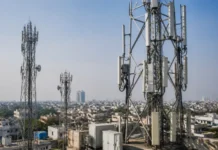
Under the Vodacom and Starlink arrangement, Starlink’s satellite backhaul will be incorporated into Vodacom’s mobile network, a move the company says will accelerate coverage expansion and enhance performance, particularly in rural regions. Vodacom will also be able to resell Starlink equipment and services to enterprise customers and small businesses, and it plans to shape its offers around what African markets can afford and what each region needs. The companies highlighted additional offerings developed through extensive client engagement across sectors such as mining, oil & gas, agriculture, tourism, retail and financial services. These include pay-as-you-use backup internet, “100% unbreakable internet,” device-as-a-service models, and branch network pooling, all built using a combination of terrestrial and space-based technologies. Vodacom noted that its existing 4G, 5G, fiber, MPLS, Microwave and GEO Sat capabilities remain central to its operations, and that Starlink’s high-performance internet fits naturally into its broader portfolio of customer-centric connectivity solutions.

The Vodacom and Starlink partnership also reinforces Vodacom’s Vision 2030 ambitions, which target a rise in its customer base to 260 million and an expansion of its financial services users to 120 million within five years.

Commenting on the agreement, Vodacom Group Chief Executive Officer Shameel Joosub said: “We are delighted to collaborate with Starlink, a move that accelerates our mission to connect every African to the internet. Low Earth orbit satellite technology will help bridge the digital divide where traditional infrastructure is not feasible, and this partnership will unlock new possibilities for the unconnected.”

Chad Gibbs, Vice President of Starlink Operations at SpaceX, added: “Starlink is already serving people, businesses, and organizations in 25 African countries. By collaborating with Vodacom, Starlink can deliver reliable, high-speed connectivity to even more customers, transforming lives and communities across the continent.”

Latest stories

Related stories

Non-Terrestrial Networks Expanding Telecom Infrastructure

Non-terrestrial networks are redefining the boundaries of global connectivity by incorporating satellites, high-altitude platforms, and drones into the existing cellular framework. This expansion addresses the inherent limitations of ground-based towers, offering a resilient and comprehensive solution for rural coverage, emergency communications, and disaster recovery on a worldwide scale.

Satellite Integration Accelerating 5G and 6G Networks

Modern telecommunications are undergoing a profound shift as space-based assets merge with terrestrial cellular infrastructure to deliver ubiquitous high-speed connectivity. This evolution addresses the geographical limitations of traditional base stations, creating a unified global network capable of supporting the next generation of mobile technology and massive machine-type communications.

Satellite Backhaul Enabling Scalable Telecom Operations

Satellite backhaul has emerged as a cornerstone of modern network design, providing a flexible and cost-effective alternative to terrestrial fiber and microwave links. This technology allows telecom operators to bypass the physical constraints of ground-based infrastructure, facilitating rapid expansion into rural and underserved markets while maintaining a high standard of data transmission and service reliability.

Cloud Integrated Satellite Networks Transforming Telecom

The synergy between cloud computing and satellite communications is creating a more agile and responsive telecommunications framework. By virtualizing ground stations and moving network functions into the cloud, operators can provide high-speed data processing and real-time connectivity to global enterprises regardless of their location, driving a new wave of digital transformation.

Subscribe

- Never miss a story with notifications

- Gain full access to our premium content

- Browse free from any location or device.

Media Packs

Expand Your Reach With Our Customized Solutions Empowering Your Campaigns To Maximize Your Reach & Drive Real Results!

– Access the Media Pack Now

– Book a Conference Call

Leave Message for Us to Get Back

Translate »