








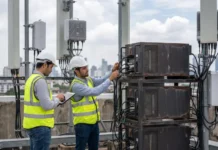
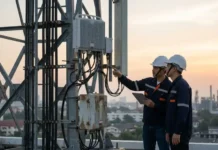
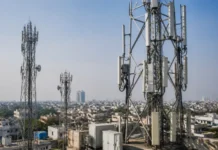











The Telecom Regulatory Authority of India – TRAI has overhauled its digital connectivity rating system for buildings, aiming to encourage developers to embed telecom infrastructure during the design phase itself.
On May 14, 2026, the regulator announced modifications to its Rating of Properties for Digital Connectivity Regulations, 2024, in order to introduce an increasingly granular nine-level rating system, enabling under-construction projects to be awarded connectivity certifications in phases, and to increase transparency during the evaluation of telecom infrastructure.
The move comes on the back of comments provided by builders, digital connectivity rating agencies, and telecom operators, as well as property managers, during the initial deployment of the framework that pointed out shortcomings in rating differentiation and challenges in evaluating projects under construction in addition to the requirement for pre-rating infrastructure audits.
The modifications were required as a growing percentage of the country’s digital consumption happens within buildings, and the use of advanced construction materials and dense building designs frequently impedes telecom signals, particularly in higher-frequency 4G and 5G bands, TRAI said.
In its explanatory memorandum, the regulator stated that the digital connectivity rating framework is anticipated to incentivise property developers and managers to include sufficient digital connectivity infrastructure at the planning and building stages.
One of the most significant updates is the addition of half-star ratings, which takes the existing five-star system to a nine-tier one. The finer gradation will allow for greater distinction between properties and incentivise incremental enhancements in digital connectivity infrastructure as well as service quality, TRAI said.
The altered digital connectivity rating system for buildings rules also introduce a phased evaluation mechanism for projects under construction. In the process, Digital Connectivity Rating Agencies – DCRAs – may provide a Designed For certificate determined by authorised telecom infrastructure plans throughout construction and then a Installation Completed For certificate once the deployment of in-building telecom systems takes place. Then final ratings will be given only if telecom services are fully operational.
It is well to be noted that the mechanism will enable prospective buyers and tenants to evaluate the telecom readiness of a project prior to possession and enhance responsibility between the promises of developers as well as actual execution, said the regulator.
TRAI also introduced optional digital connectivity inspection for current properties so that managers of properties may review their existing telecom infrastructure, detect gaps and make necessary upgrades before officially applying for ratings.
The regulator also banned exclusive telecom arrangements between property managers and in-building solution providers as well as telecom operators, in order to ensure non-discriminatory access to telecom infrastructure and to enhance consumer choice in buildings.
Apparently, the revised framework encompasses commercial buildings, residential complexes, hospitals, hotels, airports, educational institutions, railway stations, highways, and metro corridors as well as stadiums, among many others.
The amendments have already entered into force from 13 May 2026.