
















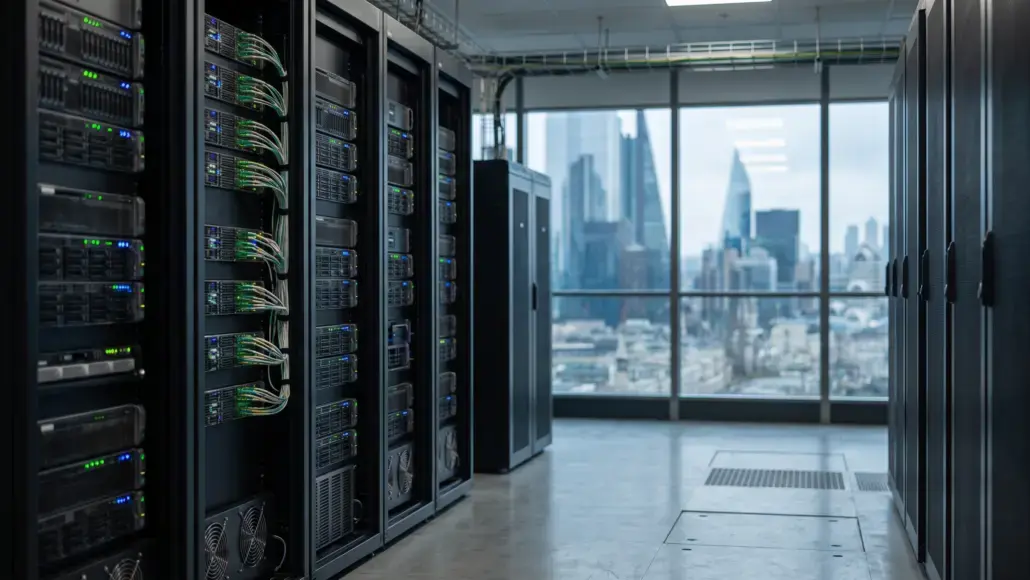

The Taiwan Stock Exchange has signed a memorandum of understanding with Chunghwa Telecom to construct a new, purpose-built TWSE backup information centre at Chunghwa Telecom’s Taichung facility. The project, expected to reach completion by 2029, is designed to consolidate the exchange’s existing backup functions, bolster information security resilience and operational autonomy, and deliver ultra-low latency alongside high concurrent processing capabilities. The initiative responds directly to surging trading volumes and the growing internationalisation of Taiwan’s capital market.
Taiwan Financial Supervisory Commission Chairman Peng Jin-lung personally witnessed the signing ceremony, signalling the regulatory body’s strong endorsement of the project. The memorandum was signed by TWSE Chairman Lin Hsiu-ming and Chunghwa Telecom Chairman Chien Chih-cheng at the TWSE Information Exhibition Centre in Taipei 101.
Why the Exchange Needs a New Backup Information Centre
Taiwan’s stock market has seen its total market capitalisation climb among the highest globally, driven by the artificial intelligence wave and Taiwan’s central role in the global semiconductor supply chain. The market now features high liquidity, active foreign investment participation, and a complete technology supply chain. However, diversified market development and rapid shifts in trading volume have placed significant pressure on existing information systems.
The TWSE stated that the construction of the TWSE backup information centre is not solely about enhancing trading security. It will also implement rigorous information security controls to strengthen the broader securities market’s system resilience and response capabilities during emergencies.
Under the current architecture, backup functions are spread across near-site and remote centres, creating complexity in management and resource scheduling. The new dedicated TWSE backup information centre will integrate these dispersed functions into a single facility, improving operational autonomy and independence. The exchange noted this consolidation will allow more effective use of computing resources, expand the cultivation of professional talent, and raise equipment maintenance and management efficiency, all of which contribute to stronger risk control.
Chunghwa Telecom’s Role in the Project
The decision to partner with Chunghwa Telecom was driven by the company’s standing as Taiwan’s largest integrated telecommunications operator and its extensive track record in constructing high-standard data centres. Chunghwa Telecom will bring its information and communications technology expertise to the project, deploying an international-grade green data centre and a robust network topology at the Taichung site.
The TWSE emphasised that the TWSE backup information centre will be built to specifications aligned with global development trends. The aim is to significantly optimise the quality and performance of computer and network systems, achieving ultra-low latency and high concurrent processing capabilities. The exchange’s objective is to bring its trading infrastructure on par with major international exchanges, thereby strengthening its global competitiveness.
Expected Outcomes and the Road to 2029
The TWSE described the project as a phased transformation in both software and hardware facilities, and a crucial milestone for Taiwan’s capital market in aligning with international standards. With trading security and information resilience set to be substantially enhanced, the exchange expects the advanced information foundation provided by the TWSE backup information centre to attract greater foreign investment and more multinational institutions.
The government has been actively pursuing a vision to position Taiwan as an “Asian Nasdaq,” and this infrastructure investment forms part of that broader effort. With completion targeted for 2029, the project represents a significant commitment to ensuring that the exchange’s processing capacity, stability, and operational resilience keep pace with the market’s continued growth.