









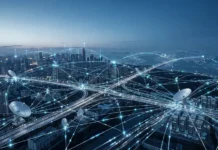
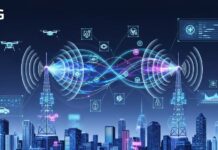




The telecommunications industry is undergoing a fundamental shift toward more autonomous and data-driven management models. As networks become increasingly complex, with the integration of 5G, edge computing, and millions of connected devices, the traditional manual approach to operations is no longer sustainable. Digital twin technology, when integrated with advanced artificial intelligence, has emerged as the cornerstone of intelligent telecom operations. By creating a high-fidelity virtual replica of the entire network environment that is constantly updated by a stream of real-time data, operators can develop a level of situational awareness and predictive capability that was previously unimaginable. This synergy between virtual modeling and machine learning is enabling a new era of self-optimizing, self-healing networks that can respond to changes in demand and environmental conditions within milliseconds.
The value of integrating AI with digital twins lies in the ability to move beyond simple monitoring toward true proactive management. A digital twin provides the rich, contextualized data that AI algorithms need to understand the complex interdependencies between physical hardware and logical traffic flows. In turn, the AI provides the reasoning and decision-making capabilities needed to act upon that data. This closed-loop system allows for the automation of a wide range of operational tasks, from spectrum management and load balancing to fault detection and recovery. By reducing the need for human intervention in routine processes, operators can significantly lower their operational expenses while improving the overall quality of service.
Driving Network Automation and Real-Time Optimization
The primary goal of intelligent telecom operations is to create a network that can optimize itself in real-time to meet the needs of its users. Digital twins serve as the training ground for the AI algorithms that drive this optimization. By simulating thousands of different traffic scenarios and environmental conditions, engineers can develop models that predict how the network will respond to changes. Once deployed to the live environment, these AI models use real-time sensor data from the digital twin to make instantaneous adjustments to network parameters. For example, the system could automatically adjust the power levels of base stations to fill a coverage gap or redirect traffic away from a congested transport link.
Load balancing is another area that is significantly enhanced through the integration of AI and virtual modeling. Traditional load balancing often relies on static thresholds that can be slow to respond to sudden spikes in demand. An AI-driven digital twin, in contrast, can analyze the movement of users across the network and predict where congestion is likely to occur minutes before it happens. This foresight allows the system to proactively shift resources, such as activating additional capacity at a nearby small cell or adjusting the handover parameters between cells. This dynamic approach ensures a consistent user experience even in the most challenging environments, such as high-density urban centers or large public events.
The optimization of energy consumption is a critical objective for any modern telecom operator. AI algorithms can use the detailed power models within the digital twin to identify opportunities for energy savings across the entire network. For example, the system could automatically put under-utilized radio units into sleep mode during periods of low traffic or optimize the cooling settings of a data center based on real-time thermal data. By integrating power failure modelling into the virtual environment, the AI can also ensure that these energy-saving measures do not compromise the network’s resilience during emergencies. This synergy is fundamental for maintaining intelligent telecom operations. This focus on sustainability contributes to lower operational costs and a smaller carbon footprint.
Predictive Maintenance and Autonomous Fault Recovery
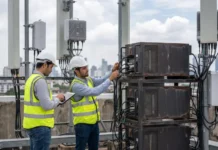
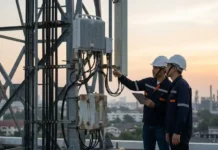
The transition from reactive to predictive maintenance is one of the most significant benefits of intelligent telecom operations. Digital twins capture the actual stressors that every component in the network experiences, providing a detailed record of its health and performance. AI algorithms analyze this data to identify subtle signs of degradation that are invisible to traditional monitoring systems. By predicting when a component is likely to fail, the system can automatically schedule a maintenance intervention before an outage occurs. This proactive approach reduces the number of emergency repairs and extends the lifespan of the hardware, leading to significant savings in equipment lifecycle costs.
Autonomous fault recovery is the next step in the evolution of network resilience. When a fault is detected, the AI-driven digital twin can instantly simulate the most effective recovery path. For a software-defined network, this might involve automatically restarting a virtualized controller or shifting traffic to a redundant cloud instance. For a physical fault, the system can provide technicians with a detailed map of the affected area and the exact tools and parts needed for the repair. The ability to automate these complex decision-making processes significantly reduces the time to recovery and minimizes the impact on the user experience.
The integration of security analytics further strengthens the network’s resilience against cyber-threats. AI algorithms can use the data from the digital twin to identify anomalous patterns of behavior that indicate a potential security breach, such as unauthorized access attempts or unusual traffic flows. By simulating different attack scenarios within the virtual model, the system can test and refine its defensive protocols in a safe environment. This proactive approach to security is essential for protecting the integrity of the network and the privacy of its users in an increasingly hostile digital landscape.
Empowering Data-Driven Planning and Investment Decisions
Strategic planning for network evolution requires a deep understanding of how current decisions will affect future performance and costs. Intelligent telecom operations provide the necessary insights to make smarter investment decisions. By using the AI-driven digital twin to simulate different growth scenarios, planners can identify the most cost-effective path toward their goals. For example, the system could model the impact of a 5G rollout on the capacity and energy requirements of the existing network, helping in determining the optimal timing and scope of the project. This data-driven foresight ensures that capital is deployed where it will have the greatest impact on corporate profitability.
Procurement teams also benefit from the insights provided by virtual modeling and AI. By analyzing the long-term performance and maintenance data of different vendor products, the company can identify the hardware that offers the best total cost of ownership. The AI can even identify subtle differences in performance between different batches of the same product, helping to ensure that only the highest-quality components are deployed to the network. This transparency builds more collaborative and performance-based relationships with suppliers, ensuring that the company gets the best possible value for its investment.
The collaboration between technical and business teams is enhanced through the use of shared digital models and AI-driven insights. By providing a single, authoritative source of truth for the network’s health and performance, the virtual replica enables a level of organizational alignment that was previously unattainable. Executives can use the digital twin to track the actual ROI of completed projects and compare it to the initial simulations, leading to higher levels of financial discipline and operational excellence. This alignment is vital for navigating the complexities of the modern telecom industry and capitalizing on new opportunities.
Future Proofing Networks for the 6G Era and Beyond
As the industry looks toward the arrival of 6G, the requirements for intelligent telecom operations will become even more demanding. Expected features like terahertz frequencies, sub-millimeter positioning, and the massive integration of non-terrestrial networks will require a level of precision and automation that only AI-driven digital twins can provide. These future models will need to capture the precise movement of every object in a space and the molecular properties of the materials it encounters. This ultra-high-fidelity modeling will enable the creation of highly specialized networks that are optimized for the most demanding use cases, such as the metaverse and autonomous industrial ecosystems.
The integration of quantum computing with the digital twin platform will offer even greater processing power for complex simulations and optimization tasks. By combining quantum-enhanced AI with virtual modeling, operators will be able to solve problems that are currently beyond the reach of traditional computers. This will lead to a new era of network intelligence, where the system can anticipate and respond to global trends and environmental changes with unprecedented speed and accuracy. The digital twin acts as a continuous laboratory for this innovation, ensuring that the network is always ready for the next generation of telecommunications.
Continuous learning is the hallmark of a truly intelligent network. The data gathered by the digital twin is used to constantly retrain and refine the AI models, ensuring that they become increasingly effective over time. This virtuous cycle of data, analysis, and action positions telecom operators to handle the increasing complexity of modern networks with confidence. By embracing intelligent telecom operations, the industry is not just building faster connections, it is building a foundation for a more intelligent, efficient, and sustainable world. The integration of AI and virtual modeling is the strategic necessity for any company committed to leading the future of connectivity.
Aligning Operational Excellence with Customer Value
The ultimate goal of every telecommunications company is to deliver value to its customers. Intelligent telecom operations ensure that this value is delivered consistently and efficiently. By providing a high-quality, reliable, and responsive network, operators can build brand loyalty and attract new high-value clients. The ability to offer specialized services, such as guaranteed low-latency connections for gaming or high-bandwidth slices for industrial IoT, is a key competitive advantage that is enabled by the integration of AI and digital twins.
Customer support is also improved through the use of virtual modeling. When a user reports a problem, the digital twin can instantly provide technicians with a detailed view of the network’s state at the user’s location. This visibility allows for faster troubleshooting and a more personalized response to the issue. The AI can even predict potential problems for specific customers and take proactive action to resolve them before the user is even aware of the issue. This level of service excellence is what differentiates the market leaders in the digital age.
The shift toward intelligent operations is a fundamental evolution in how telecommunications companies think and act. It requires a commitment to data-driven decision-making, a culture of continuous learning, and a willingness to embrace new technologies. For those companies that make the transition, the rewards are significant: lower costs, higher margins, and a more resilient and capable network that is ready for whatever the future holds. The integration of AI and digital twins is the new standard for excellence in the telecommunications industry.