





















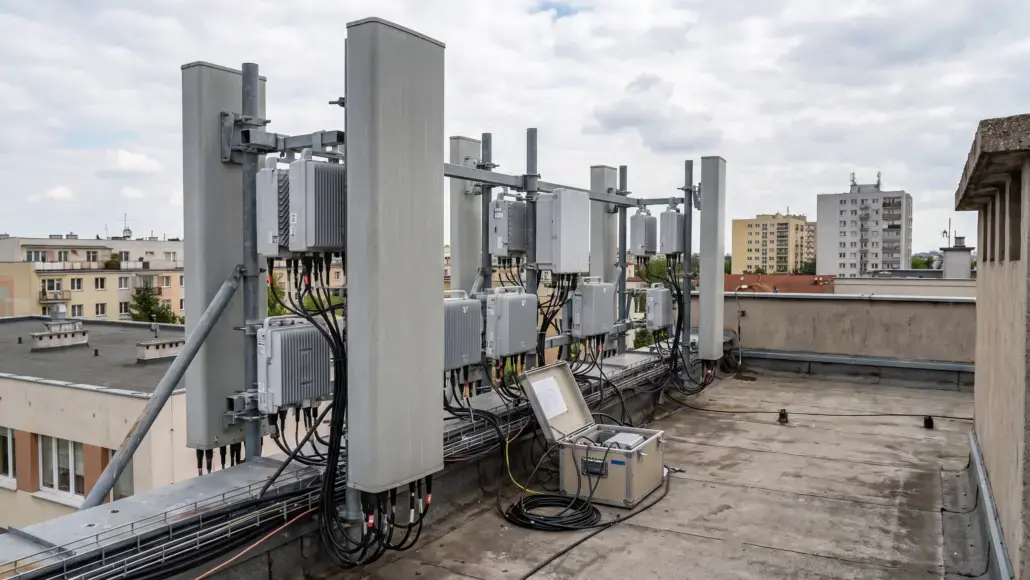

MasOrange and Ericsson have carried out 6 GHz RAN testing on the Spanish operator’s radio access network as part of preparations for potential future 6G deployment. The test explored how the 6 GHz spectrum band could be used within mobile networks and is intended to contribute technical expertise toward the broader development of 6G network planning in Spain and across Europe.
MasOrange and Ericsson Test 6 GHz
The two companies conducted the test using the 6 GHz spectrum on MasOrange’s existing radio access network infrastructure. Ericsson, which already supplies a significant portion of MasOrange’s RAN equipment, partnered with the operator to evaluate the band’s characteristics in a live network environment. MasOrange stated that this 6 GHz RAN testing initiative will feed into its growing body of knowledge around 6G network planning and future spectrum utilisation.
It is important to note that this was a test rather than a commercial deployment. The source does not provide specific measured outcomes or performance results from the trial. MasOrange has indicated it expects 6G to launch in Spain around 2030, positioning the current testing as an early-stage effort in a longer development cycle.
Advanced RAN Architecture Supports Testing
A central element of the test involved the use of advanced active antenna architecture. The trial increased the number of transmitters and receivers from 64 to 256, a significant step up in antenna density that is expected to be relevant for future high-capacity network designs. The architecture also incorporated beamforming technology, which enables more precise direction of radio signals toward users and devices.
These advanced antenna and beamforming technology capabilities are considered essential for making effective use of the 6 GHz spectrum in future mobile networks. By testing such configurations now, MasOrange and Ericsson are building an understanding of how these systems could perform once 6G network planning moves closer to commercial reality.
6 GHz Role in Future 6G Networks
The upper 540 MHz of the 6 GHz spectrum band was recommended for mobile use by the European Union in November 2025, a regulatory development that has given operators across the continent a clearer path for exploring the band. This 6 GHz RAN testing by MasOrange aligns with that regulatory direction and reflects growing operator interest in the band as a resource for next-generation connectivity.
MasOrange also highlighted several potential future applications that could be enabled by 6G networks operating in the 6 GHz spectrum. These include integrated sensing and communication capabilities such as object detection, asset tracking, industrial monitoring, obstacle detection, and the creation of digital twins. These remain prospective use cases tied to future 6G network planning rather than current commercial offerings.
Separately, reports have indicated that MasOrange may hold a tender related to future RAN supplier arrangements later this year, though this remains a secondary development alongside the operator’s ongoing spectrum and technology evaluation work. The primary focus for now remains on building foundational knowledge through testing and collaboration with equipment partners like Ericsson as the industry moves toward the 6G era.