





















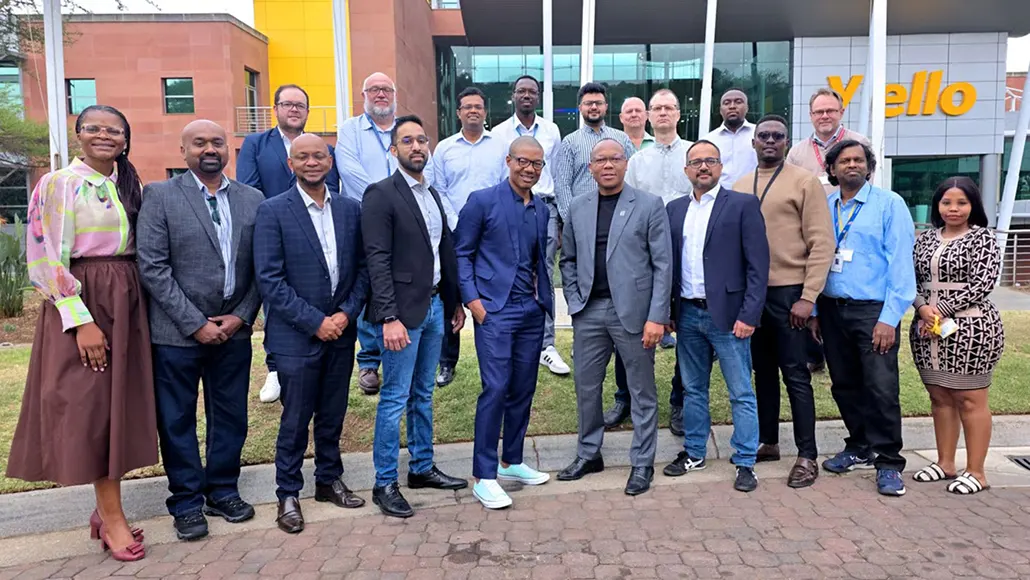

MTN South Africa partnered with Ericsson to upgrade the core network under the MTN Unified Cloud Acceleration (MUNA) initiative. The endeavor has various benefits for South Africa’s cellular infrastructure, including reduced latency, enhanced data flow, and overall a more stable and smoother connectivity experience for users.
The modernization effort saw MTN South Africa deploy cloud-native Packet Core and user management functions from Ericsson’s dual-mode 5G Core solution on the Cloud Native Infrastructure Solution (CNIS) during the first half of the year. Beyond these new cloud-native functions, several additional network capabilities were upgraded to continue operating on virtualized infrastructure powered by Ericsson NFVI.
The early stages of the project have produced remarkable results. Ericsson and MTN marked a world-first by completing the first In-Service Software Upgrade (ISSU) of an Ericsson Packet Core Gateway (PCG) node with a collocated Packet Core Firewall. The upgrade occurred without interruption to 2.52 million active user sessions or 40 Gbps of data traffic, and it also represented the first Ericsson PCG ISSU in Africa. The deployment was further enhanced with Ericsson’s cloud-native Cloud Core Policy Controller (CCPC), which allowed MTN South Africa to upgrade legacy policy control systems while improving flexibility, scalability, and operational efficiency.
In its first configuration as a Policy and Charging Rules Function (PCRF), the CCPC allows real-time dynamic policy management for 5G non-standalone networks. It also provides support for Policy Control Function (PCF) for 5G, laying the ground for MTN South Africa to launch a 5G standalone core. The operator also carried out a Container-as-a-Service Rolling Upgrade (CaaS-RU) on the Cloud Container Distribution (CCD) with zero impact, even though the CCPC was supporting approximately 2 million active sessions, showing the reliability and resilience of its cloud-native infrastructure.
Solomzi Mnyaka, General Manager Network Services Engineering & L2 Support at MTN South Africa, said: “Building on our shared achievements with Ericsson to date, the core network modernization and expansion marks an important step in our ongoing journey to build a modern, future-ready network for South Africa.” He added, “As we continue to evolve and digitise our operations, having the right technology foundation is critical. The implementation of Ericsson’s cloud-native Policy Controller and Packet Core Gateway as part of the dual-mode 5G Core solution enables us to respond more quickly to customer demands, launch new services with agility, and simplify our internal processes through automation. This partnership reflects our focus on driving innovation while maintaining high standards of reliability and performance for our subscribers.”
Sandile Dhlomo, Head of Ericsson South Africa, commented: “The solution enhances the operator’s session, mobility management and policy control capabilities while laying the groundwork for future 5G Standalone. Together with MTN, we are enabling a more flexible and automated policy framework that supports monetization, network evolution, and enriched user experiences across South Africa.”
Ericsson’s long-standing partnership with MTN, which dates back to the early 1990s, continues to expand through ongoing innovation and collaboration. Collaboration between Ericsson and MTN, including the deployment of CCPC as a PCRF aligns with Ericsson’s #AfricaInMotion vision to accelerate inclusive, sustainable connectivity across the continent.