





















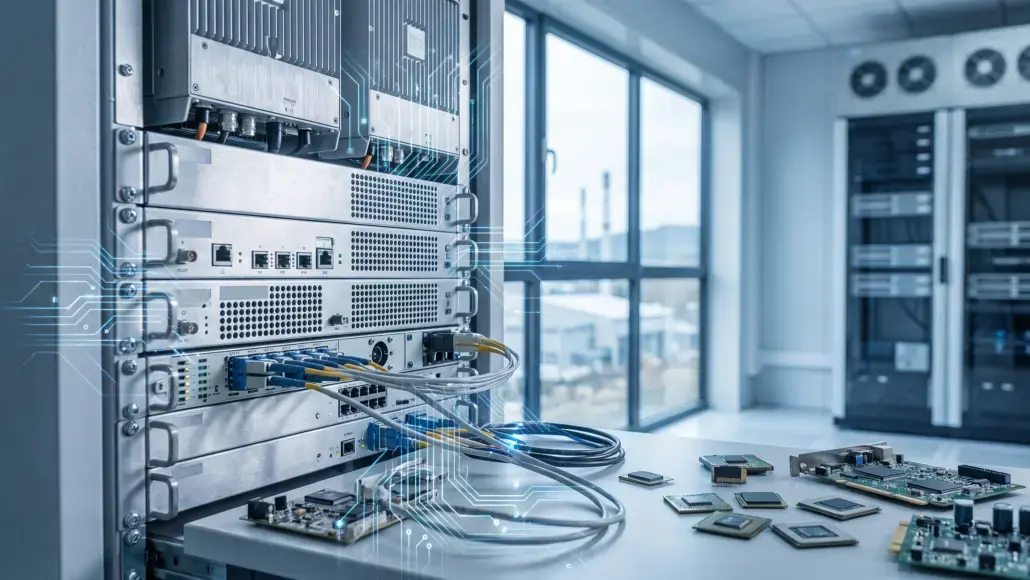

The Ericsson telecom equipment prices strategy is set to change as the Swedish network infrastructure provider responds to rising component costs driven by global demand for artificial intelligence (AI). The company plans to increase prices for new tenders, renegotiate existing contracts, and explore broader pricing adjustments to offset mounting manufacturing expenses.
The move reflects growing pressure across the telecom supply chain as demand for memory chips and other electronic components continues to rise due to rapid AI infrastructure expansion. Ericsson expects these higher input costs to affect profitability over the coming quarters despite maintaining a resilient supply chain and implementing internal cost-saving measures.
Ericsson Telecom Equipment Prices Reflect AI-Driven Cost Pressures
Ericsson said it is adjusting commercial terms for new projects while discussing price revisions for existing customer contracts. The company attributed the decision to higher component costs linked to the accelerating deployment of AI infrastructure worldwide.
During its latest earnings presentation, Ericsson executives noted that memory chip inflation and broader electronic component shortages are creating sustained pressure on equipment manufacturers. The company expects these cost increases to become more pronounced in the second half of the year and continue into next year.
AI Infrastructure Is Reshaping Telecom Supply Chains
The rapid expansion of AI data centres has significantly increased global demand for semiconductors, particularly memory chips used across servers, networking equipment and telecommunications infrastructure. As suppliers compete for limited component availability, manufacturers are facing higher procurement costs.
Ericsson indicated that it will continue pursuing operational efficiencies, supply chain optimisation and pricing actions to maintain profitability while supporting ongoing investments in next-generation network technologies.
Operators May Face Higher Network Deployment Costs
The pricing adjustments could increase capital expenditure for telecom operators planning new mobile network rollouts or infrastructure upgrades. While existing agreements may be renegotiated selectively, future equipment tenders are expected to reflect the higher manufacturing costs.
Industry analysts suggest the impact will vary by operator depending on procurement cycles and contract structures. Despite the pricing pressure, continued investment in 5G expansion, network modernisation and AI-enabled connectivity is expected to sustain long-term demand for telecom infrastructure equipment.
Ericsson Focuses on Margin Protection
Ericsson reported that disciplined execution and operational improvements helped support second-quarter profitability despite declining sales in some markets. However, the company acknowledged that AI-driven component inflation is likely to pressure margins in the coming quarters, making pricing adjustments an important part of its broader business strategy.