









The increasing frequency and severity of natural disasters, driven by global climate shifts, present a significant threat to the integrity of telecommunications networks. As the backbone of modern society, these networks must remain operational during emergencies to support first responders and provide critical information to the public, necessitating rigorous disaster preparedness planning. Digital twin technology has become a cornerstone of emergency strategy for telecom operators, offering a sophisticated platform to model, simulate, and mitigate the impact of catastrophic events. By creating a high-fidelity virtual replica of the entire network infrastructure, including physical sites, fiber routes, and logical connections, companies can anticipate vulnerabilities and develop proactive strategies for resilience.
The value of a digital twin lies in its ability to simulate complex, multi-layered scenarios that are impossible to test in the physical world. For example, an operator can model the simultaneous failure of multiple cell towers due to high winds and the subsequent flooding of a regional switching center. These simulations provide a clear picture of how failures will cascade through the network, identifying critical nodes that require additional hardening. This level of foresight allows for the strategic allocation of resources, ensuring that the most vital parts of the infrastructure are protected before a disaster occurs.
Simulating Extreme Weather and Geological Events
Modern networks are exposed to a wide range of environmental threats, from hurricanes and wildfires to earthquakes and tsunamis. Each of these events presents unique challenges for infrastructure protection. Digital twins integrate geological and meteorological data to simulate the specific physical forces that will act upon a network. For instance, a model can account for the soil composition around a tower to predict its stability during a seismic event or simulate the thermal impact of a nearby wildfire on fiber optic cables. By understanding these physical interactions, engineers can design sites that are better equipped to withstand the local environmental risks.
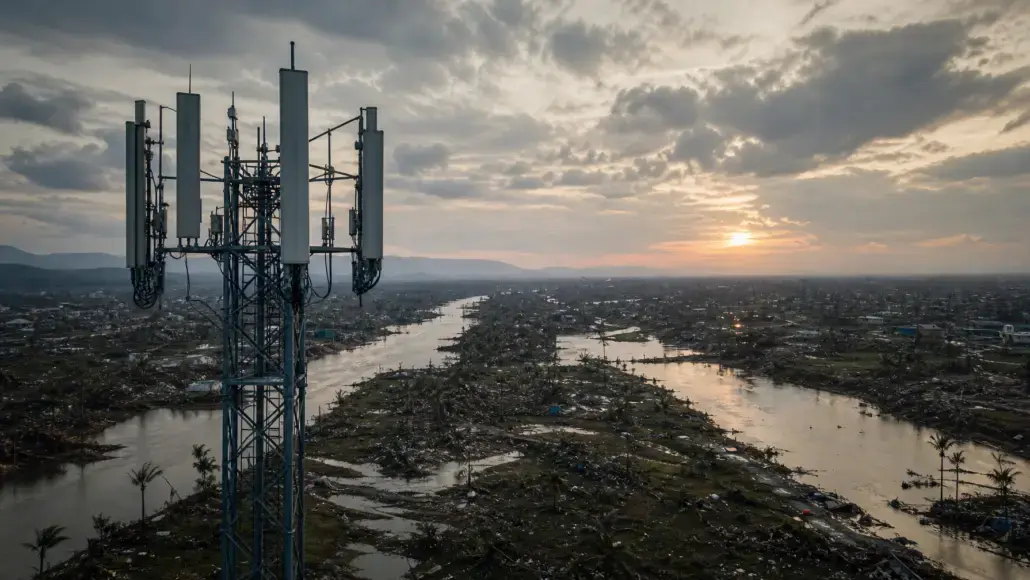
Flood modeling is particularly critical for infrastructure located in low-lying areas. A digital twin can incorporate topography and hydrological data to simulate how rising water levels will affect equipment rooms and power systems. This information allows operators to plan for the installation of flood barriers or the relocation of sensitive hardware to higher elevations. The ability to visualize the extent of potential flooding within the virtual model helps in coordinating with local authorities and emergency management agencies, ensuring a more unified approach to community resilience.
Wildfire preparedness requires a dynamic understanding of fuel loads and wind patterns. Digital twins can be used to simulate how a fire will spread through a specific region and its potential impact on telecom assets. This modeling informs the creation of defensible space around critical sites and the prioritization of backup systems in high-risk zones. By integrating real-time weather feeds, the digital twin can provide early warnings to field crews, allowing for the preemptive shutdown or protection of sites in the path of a fire.
Coordinating Emergency Response and Rapid Recovery
When a disaster strikes, the speed and effectiveness of the initial response are vital for minimizing downtime. A digital twin acts as a real-time command center, providing a visual representation of the network’s health and the location of damaged assets. This situational awareness allows managers to coordinate repair efforts with unprecedented precision. Instead of relying on fragmented reports from the field, teams can see exactly which towers are offline and what equipment is needed for restoration. This data-driven approach reduces the time spent on assessment and allows for the immediate deployment of the correct resources.
The coordination of field crews is significantly improved through virtual mapping. Technicians can access the digital twin on mobile devices, providing them with safe routes to affected sites and 3D maps of the damaged infrastructure. This information is particularly valuable when landmarks have been destroyed or access roads are blocked. The digital twin can also simulate the logistics of moving heavy equipment, such as mobile base stations or emergency generators, identifying potential bottlenecks in the transport network. This logistical optimization ensures that the most critical sites are returned to service as quickly as possible.
Post-disaster recovery involves more than just physical repairs, it requires the restoration of network capacity and performance through effective disaster preparedness planning. Digital twins allow engineers to simulate different recovery sequences to identify the most efficient way to bring the network back to full strength. By modeling the interaction between restored nodes and the surrounding environment, operators can optimize the configuration of the network in real-time. This iterative process ensures that the recovered network is not only functional but also optimized for the new operational reality.
Strengthening Infrastructure through Data-Driven Hardening
The long-term resilience of a network is built on a foundation of continuous improvement. Data gathered during simulated and real-world events is used to refine the digital twins, making them increasingly accurate over time. This feedback loop informs the design of next-generation infrastructure, as engineers can identify which materials and configurations performed best under stress. For example, analysis of tower failures during a hurricane might lead to new structural standards for wind resistance or the selection of more durable grounding systems.
Integrating power failure modelling into the disaster simulation is essential for ensuring the continuity of service. The digital twin can model the performance of backup generators and battery systems under extreme environmental conditions, such as high heat or humidity. This analysis helps in determining the optimal fuel reserves and battery capacities needed to sustain the network during prolonged grid outages. By understanding the interplay between power and connectivity, operators can design more resilient systems that are less susceptible to total failure.
Hardening also involves the protection of logical assets, such as software-defined network controllers and cloud-native applications. Digital twins can simulate cyber-attacks that coincide with physical disasters, testing the network’s ability to defend itself in a multi-threat environment. This holistic view of resilience ensures that the network remains secure and operational even when its physical components are under extreme stress. The ability to test different defensive strategies in a virtual space is a key advantage of the digital twin approach to infrastructure protection.
Enhancing Public Safety and Interagency Collaboration
Telecommunications networks are a vital component of public safety infrastructure. During an emergency, they facilitate communication between different agencies and provide the public with access to emergency services. Digital twins allow for the simulation of high-traffic scenarios during disasters, ensuring that the network can handle the surge in demand from both civilians and first responders. This modeling helps in the design of priority access systems that ensure critical communications are never dropped, even when the network is congested.
Collaboration with government agencies and other utility providers is simplified through the use of shared digital models. By providing a common operating picture, digital twins help in synchronizing the response efforts of different organizations. For example, a telecom operator can share its infrastructure map with a power utility to coordinate the restoration of grid service to critical cell sites. This transparency builds trust and improves the overall efficiency of the community-wide response to a disaster.
Public information campaigns also benefit from the visual power of digital twins. Operators can use the models to create clear, interactive maps that show the status of network services to the general public. This transparency helps in managing public expectations and reducing the load on customer support channels. By providing accurate, real-time information, telecom firms can contribute to a more informed and resilient society.
Driving Innovation in Resilience through Artificial Intelligence
The integration of artificial intelligence with digital twin technology is opening new frontiers in disaster preparedness. AI algorithms can analyze vast datasets to identify subtle patterns that indicate a growing risk to the network. For example, the system could detect increasing soil moisture levels around a specific site and flag it for inspection before a landslide occurs. This predictive capability transforms disaster management from a reactive process into a proactive one, significantly reducing the impact of unforeseen events.
AI can also optimize the response to an ongoing disaster in real-time. By considering factors like weather forecasts, technician availability, and the importance of specific network nodes, an AI-driven digital twin platform can generate the most effective restoration plan. This plan can be updated instantly as new data becomes available, ensuring that the response remains optimized even in a rapidly changing environment. The ability to automate complex decision-making processes is a vital advantage during the high-pressure situation of a disaster.
The future of disaster preparedness planning will involve the creation of living digital twins that are constantly updated by a network of sensors and satellite imagery. These models will provide a real-time, high-fidelity view of the network and its surrounding environment, allowing for a level of situational awareness that was previously unimaginable. By embracing these advanced technologies, the telecommunications industry is building a more resilient future where connectivity is protected against even the most extreme threats. The digital twin is not just a tool for analysis, it is a shield for the critical infrastructure that sustains our modern world.