


















Identity Controls are Expanding Beyond the SIM
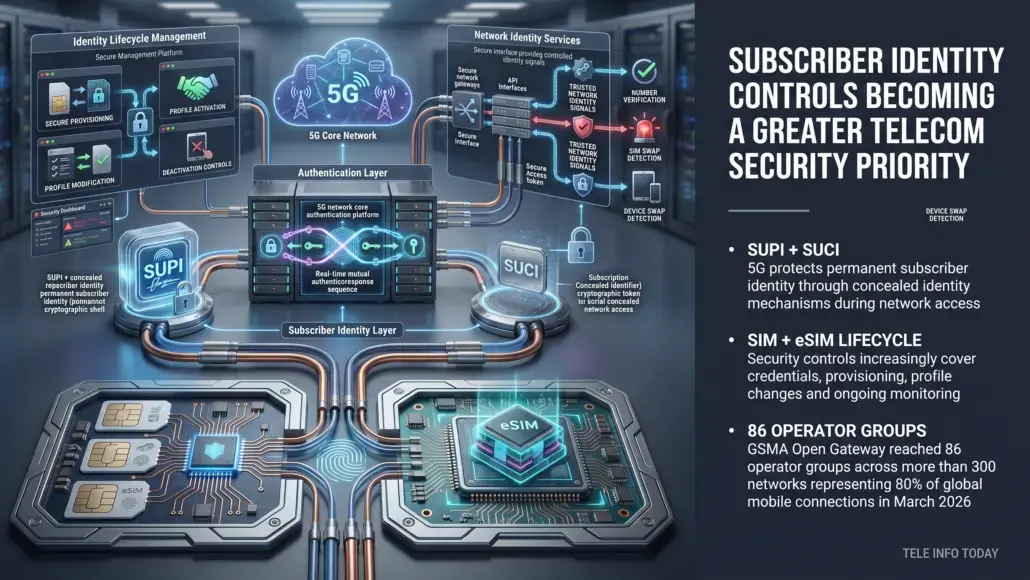
Subscriber identity security is increasingly extending beyond the credentials stored on a SIM or eSIM. As digital services use mobile numbers and device relationships for authentication, operators are developing ways to provide trusted identity signals without exposing underlying subscriber information. These signals can help external services determine whether a number is genuinely associated with a device, whether a recent SIM change has occurred or whether a device relationship has changed.
This is making subscriber identity security increasingly relevant beyond network access. The operator’s role can extend from protecting subscriber credentials to providing controlled signals that help banks, fintechs and other digital services assess identity-related risk.
SIM Swaps are Becoming a Security Signal
A SIM swap can change the relationship between a customer’s mobile number and the SIM or eSIM used to access the network. That creates a potential account-takeover risk when the mobile number is also used for authentication or account recovery. Instead of relying only on post-event investigation, digital services can use operator-provided signals to determine whether a recent SIM change should influence a transaction or authentication decision.
Number Verification can similarly confirm whether the mobile number used by a digital service corresponds with the number associated with the device and network session. These capabilities can reduce dependence on SMS-based verification in some scenarios while keeping the operator involved in establishing the relationship between the subscriber, device and number.
For subscriber identity security, this creates a transition from static credentials toward continuously evaluated identity relationships. It also establishes a bridge between telecom security and network based identity verification. The next step is allowing these signals to reach authorised external services through standardised network APIs.
Mobile Identity APIs are Scaling Globally
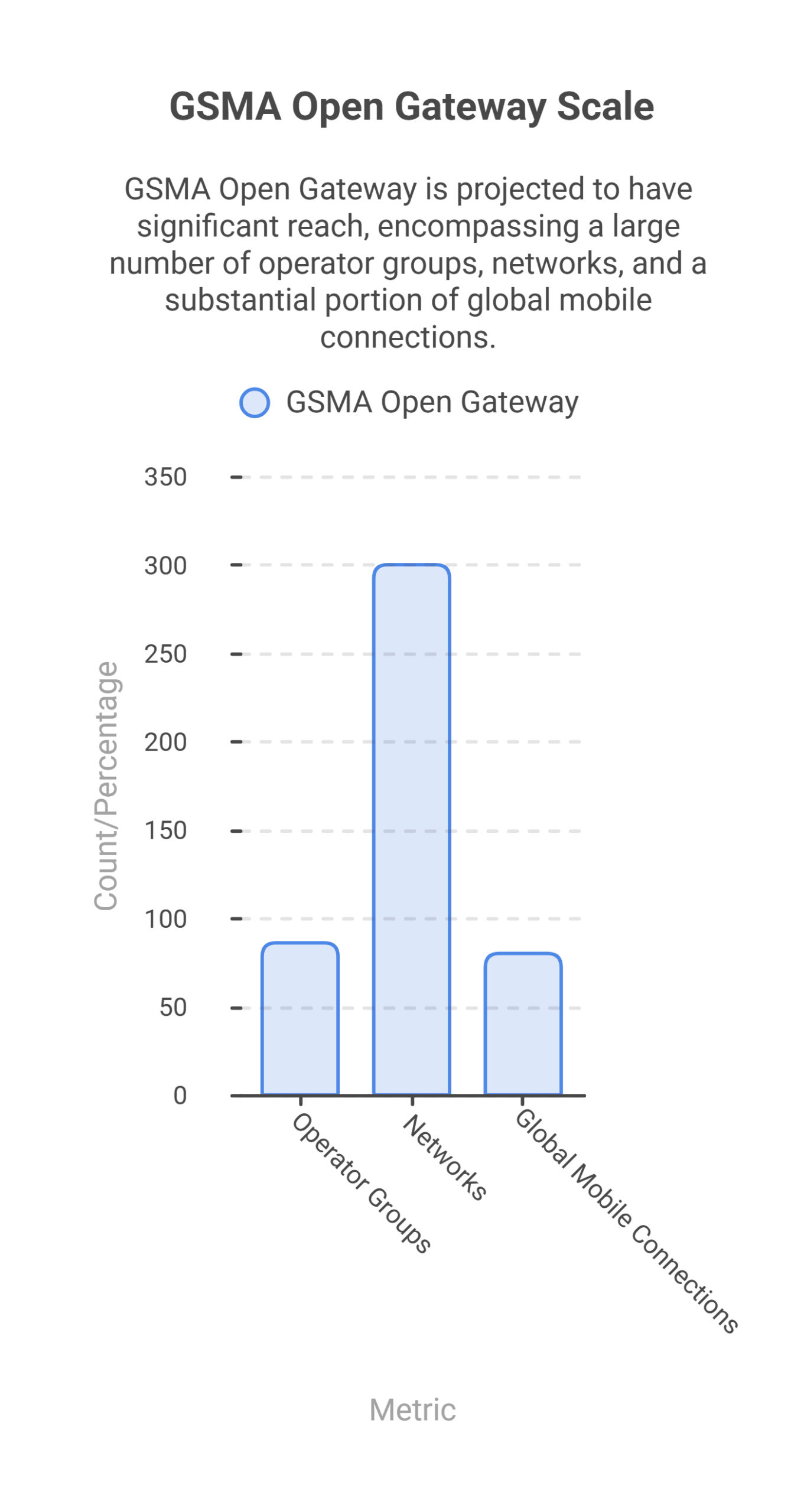
GSMA Open Gateway provides evidence of this broader development. In March 2026, GSMA reported that 86 operator groups, representing more than 300 networks and 80% of global mobile connections, were aligned around its common API framework. Identity-related services include Number Verification and SIM Swap capabilities, alongside other network APIs.
The scale of the framework indicates that mobile identity signals are becoming part of a wider network-API ecosystem rather than remaining confined to individual operator systems. This can create a more direct connection between telecom infrastructure and external fraud-prevention or authentication services.
However, access to identity signals still requires appropriate authorisation, data protection and clear limits on how information can be used. Subscriber identity security therefore increasingly involves both protecting the underlying credential and controlling how trusted identity signals are exposed to external systems.