









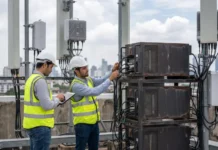
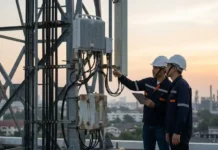








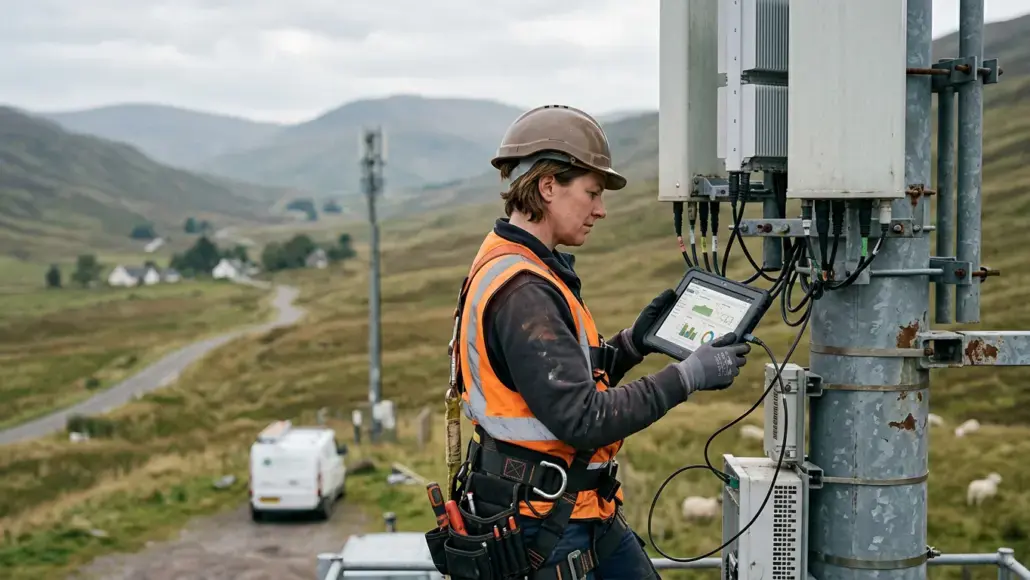

The maintenance of modern telecommunications infrastructure is a complex and resource-intensive task, involving the management of millions of physical assets spread across vast geographic regions. For decades, many operators have relied on a reactive model of infrastructure care, where repairs are only performed after a failure has occurred. While this approach is simple to implement, it often leads to significant service disruptions and high operational costs due to emergency repair work and the associated downtime. As network availability becomes increasingly critical for the digital economy, the need for a more proactive and data-driven approach is becoming clear.
Predictive asset management offers a viable solution to these challenges by using data from sensors and network telemetry to identify potential issues before they lead to a service failure. By continuously monitoring the health and performance of critical components, such as power systems, cooling units, and radio transmitters, operators can schedule maintenance at the most optimal time. This shift from reactive to proactive care allows for a more efficient allocation of technical resources and significantly reduces the risk of unexpected network outages. For telecom companies, this means higher levels of service reliability and a more predictable maintenance budget.
The implementation of a proactive model requires a significant investment in both technology and organizational culture. It involves deploying thousands of IoT sensors across the network to collect real-time data on environmental conditions and equipment performance. This information must then be processed and analyzed using advanced machine learning algorithms to identify patterns that indicate a coming failure. Beyond the technical requirements, the organization must also adapt its maintenance workflows to allow for the flexible scheduling of repair work based on data-driven insights. This transition is essential for any operator looking to maintain a high-quality network in the face of increasing complexity and subscriber expectations.
Monitoring Power Systems and Cooling for Edge Sites
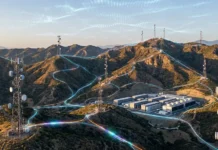
The densification of 5G networks has led to a significant increase in the number of edge computing sites and small cells, many of which are located in remote or difficult-to-access areas. These sites rely on complex power and cooling systems to maintain the performance of sensitive electronic equipment. A failure in either of these systems can quickly lead to hardware damage and a loss of service for local subscribers. Predictive asset management is particularly valuable for these edge locations, as it allows for the remote monitoring of system health and the early detection of anomalies that could indicate a potential failure.
By tracking variables such as battery voltage, temperature, and humidity, operators can gain a deep understanding of the operating environment at each site. Machine learning models can then be used to analyze this data and predict when a battery might reach its end-of-life or when a cooling fan is likely to fail. This information allows maintenance teams to prioritize visits to the sites with the highest risk, reducing the need for routine inspections and ensuring that resources are focused where they are needed most. The ability to manage these critical systems remotely is a major advantage for operators with thousands of distributed assets.
Additionally, the integration of power monitoring with broader energy management initiatives can lead to significant cost savings. By optimizing the operation of cooling systems based on real-time environmental data, operators can reduce their overall electricity consumption and carbon footprint. This is increasingly important as the telecom industry faces growing pressure to improve its environmental sustainability. Predictive asset management provides the visibility and control needed to achieve these goals while still maintaining the highest levels of network reliability and performance at the edge of the network.
Managing Fiber Integrity and Cable Health Remotely
The massive rollout of fiber-optic networks is the backbone of modern connectivity, providing the high-speed backhaul needed for 5G and fixed-line services. However, fiber cables are susceptible to various forms of damage, from physical breaks caused by construction work to gradual degradation due to environmental factors. Maintaining the integrity of these thousands of miles of cable is a major challenge for telecommunications operators. Predictive asset management techniques, such as the use of optical time-domain reflectometry, allow for the continuous monitoring of fiber health and the rapid identification of potential problem areas.
By analyzing the characteristics of light pulses reflected back from the fiber, these systems can detect subtle changes in attenuation or signal loss that may indicate a developing fault. This information allows operators to pinpoint the location of a problem with a high degree of accuracy, even in underground or undersea cables. By identifying these issues early, maintenance teams can intervene before a total break occurs, minimizing the impact on service availability. This proactive approach to fiber management is essential for maintaining the high-capacity links that are critical for modern business and consumer applications.
Remote monitoring also reduces the need for expensive and time-consuming manual inspections of the cable plant. Instead of sending technicians into the field to manually test fiber segments, operators can use centralized systems to continuously assess the health of the entire network. This not only lowers operational costs but also improves the safety of the workforce by reducing the time spent in hazardous environments. When combined with other data sources, such as soil moisture levels and construction permit records, the system can provide a holistic view of the risks facing the fiber infrastructure, allowing for more effective long-term maintenance planning.
IoT Sensors and Telemetry in Remote Tower Management
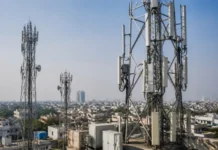
Cell towers are the most visible components of the telecommunications network, and their continued operation is essential for providing mobile coverage to millions of people. Managing these remote assets involves monitoring a wide variety of factors, from the physical integrity of the tower structure to the performance of the antennas and power systems. Predictive asset management relies on a dense network of IoT sensors and telemetry to provide the real-time visibility needed to manage these assets effectively. These sensors can track everything from structural vibration and wind speed to the fuel levels in backup generators.
The data collected from these sensors is transmitted back to a central operations center, where it is used to build a digital twin of every tower site. This virtual representation allows engineers to simulate various scenarios and to assess the impact of environmental conditions on tower health. For example, if a severe storm is approaching a specific region, the system can automatically identify the towers at highest risk and alert maintenance teams to prepare for potential repairs. This level of situational awareness is critical for maintaining network resilience during extreme weather events or other emergencies.
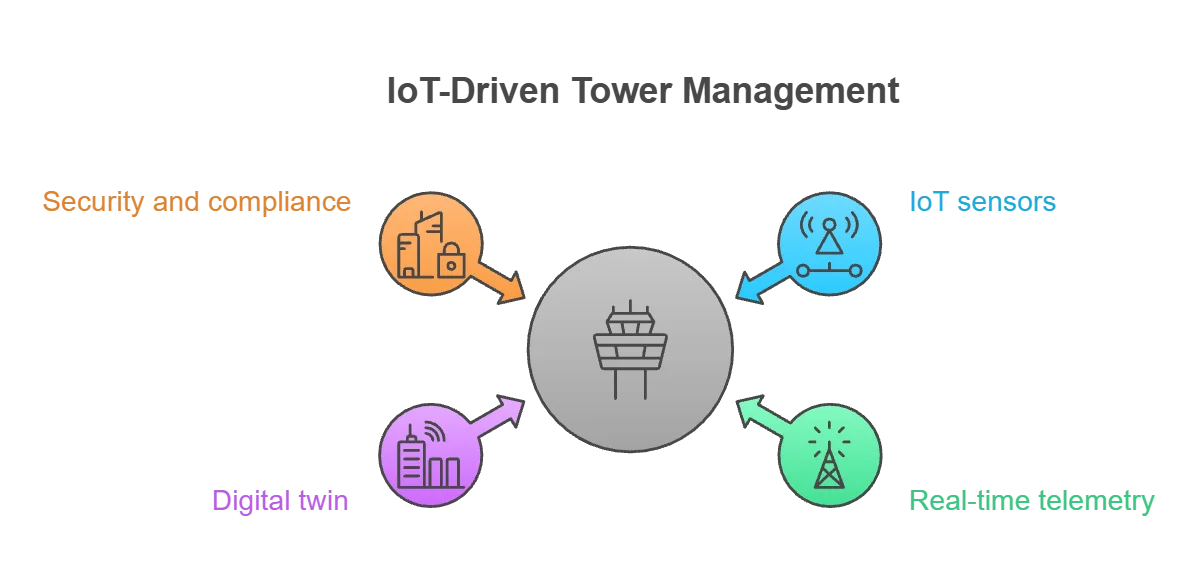
In addition to improving reliability, the use of IoT sensors also simplifies the management of tower-related compliance and security. Sensors can detect unauthorized access to the site or tampering with equipment, allowing for a more rapid response to security incidents. Beyond this, the system can automatically generate the reports needed to demonstrate compliance with environmental and safety regulations, reducing the administrative burden on the operations team. By integrating all aspects of tower management into a single data-driven framework, operators can significantly improve the efficiency and security of their remote infrastructure.
Reducing Operational Expenditure through Data-Driven Care
The primary business driver for the adoption of predictive asset management is the potential for significant reductions in operational expenditure. By moving away from a reactive maintenance model, telecom operators can lower the costs associated with emergency repairs, overtime labor, and expedited shipping of replacement parts. Additionally, by optimizing the timing of maintenance activities, the organization can extend the useful life of its assets, delaying the need for expensive capital investments in new hardware. These savings directly contribute to the bottom line and provide the financial flexibility needed to invest in future network technologies.
Beyond direct cost savings, data-driven infrastructure care also leads to improvements in overall network performance and customer satisfaction. A more reliable network with fewer outages is essential for attracting and retaining high-value subscribers, particularly in the enterprise sector where connectivity is a mission-critical requirement. By ensuring that their infrastructure is always in peak condition, operators can provide the high-quality experience that is needed to differentiate their services in a competitive market. This commitment to quality is a major driver of long-term revenue growth and brand loyalty.
Finally, the insights gained from predictive asset management can lead to more effective long-term planning and investment strategies. By understanding which types of equipment are most prone to failure and under what conditions, operators can make more informed decisions about future procurement and network design. This feedback loop ensures that the lessons learned from the field are integrated into the broader corporate strategy, leading to a more resilient and efficient organization. In an industry that is defined by the quality and reach of its physical infrastructure, the ability to manage those assets with precision and foresight is a key competitive advantage.