









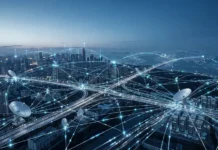




The continuous pressure to improve network performance and support new services requires telecommunications operators to undertake frequent and complex hardware and software updates. From the transition to 5G and fiber-to-the-home to the decommissioning of legacy 2G and 3G systems, the process of network modernisation is a high-stakes endeavor that carries significant risks of service disruption and cost overruns. Digital twin technology has emerged as an essential tool for simplifying these complex projects. By creating a high-fidelity virtual replica of the entire network infrastructure, operators can plan and test every aspect of an upgrade in a safe, simulated environment before any physical work begins. This virtualized approach reduces the uncertainty associated with large-scale transitions and ensures that every new deployment meets the required performance standards.
The integration of digital twins into the modernisation workflow allows for a comprehensive assessment of the interaction between legacy hardware and new technologies. Modern networks are rarely built from scratch, they are an accumulation of multiple generations of technology from different vendors. A digital twin provides a unified view of these interdependencies, allowing engineers to identify potential compatibility issues or bottlenecks early in the planning phase. This foresight is critical for avoiding expensive deployment errors and ensuring a smooth transition for the end-user. By moving from static blueprints to interactive virtual models, operators can manage the evolution of their networks with unprecedented precision.
Precision Planning and Risk Mitigation for Complex Upgrades
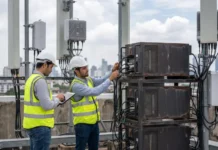
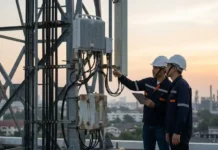
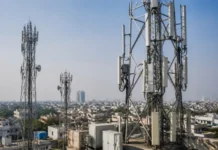
Every network upgrade involves a unique set of physical and logical challenges that must be addressed to ensure success. Digital twins allow engineers to conduct virtual site surveys that capture the exact configuration of every tower, equipment room, and cable route. This detailed modeling is essential for determining the space and power requirements for new hardware and for identifying any structural modifications that may be needed. By performing these assessments in a virtual space, operators can reduce the number of site visits and ensure that technicians arrive for the actual work with the correct tools and components. This efficiency significantly lowers the labor costs and project timelines associated with network modernisation.
Minimizing network downtime is a primary objective during any modernisation project. Digital twin simulations allow engineers to model the impact of taking specific nodes or transport links offline for an upgrade. By analyzing the resulting shift in traffic to neighboring sites, planners can develop more effective cut-over strategies that maintain service quality for the user. The virtual model acts as a testing ground for different migration paths, identifying the sequence of activities that offers the best balance of speed and reliability. This “digital dry run” provides a level of confidence that is impossible to achieve with traditional planning methods.
The relationship between network upgrades and operational resilience is strengthened through virtual modeling. By integrating simulations of disaster preparedness planning into the modernisation model, operators can ensure that the new infrastructure is inherently resilient from day one. The virtual replica allows for the testing of how the upgraded network will handle extreme events, identifying any new vulnerabilities that may have been introduced by the transition. This holistic view of the network’s health ensures that modernisation efforts contribute to a more stable and reliable infrastructure over the long term.
Managing the Coexistence and Decommissioning of Legacy Systems
The process of network modernisation often involves a prolonged period where legacy and next-generation systems must coexist. Managing this hybrid environment is one of the greatest challenges for telecom engineers. Digital twins provide a powerful platform for modeling the interaction between different generations of technology, ensuring that they can share resources like spectrum and power without degrading performance. For example, the virtual model can simulate the impact of deploying 5G on the same tower as an existing 4G system, identifying potential interference issues and recommending the optimal antenna configurations for both.
Decommissioning legacy hardware is the final, and often overlooked, stage of modernisation. The ability to execute site decommissioning with precision is vital for recovering valuable assets and reducing operational waste. Digital twins track the age, condition, and maintenance history of legacy components, providing a clear inventory of what can be reused, sold, or recycled. The virtual model also assists in planning the logistics of the teardown process, ensuring that it is completed efficiently and that the site is restored to its original condition. By closing the loop on the asset lifecycle, the digital twin approach ensures that modernisation is both cost-effective and sustainable.
The integration of power failure modelling into the legacy management process is essential for maintaining service availability during the transition. As older systems are replaced, the load on the network’s power infrastructure will change. Digital twin simulations help engineers understand how these shifts will affect the performance of backup generators and batteries. By modeling the energy requirements of the new hardware alongside the remaining legacy systems, operators can ensure that their power systems are sized correctly for the new operational reality. This proactive approach to power management prevents outages and reduces the long-term equipment lifecycle costs.
Driving Efficiency in Software-Defined and Cloud-Native Transitions
Modernisation is increasingly focused on the transition to software-defined networking and cloud-native architectures. These transitions involve a fundamental shift in how network resources are managed and delivered. Digital twins allow for the simulation of these logical changes in a safe, virtual environment. For example, an operator can test the performance of a new virtualised radio access network (vRAN) controller before it is deployed to the live network. This testing ensures that the new software is compatible with the existing physical hardware and that it can handle the required traffic loads.
The automation of the migration process is further enhanced through virtual modeling. In a virtualized network, new software instances can be spun up or moved across the cloud infrastructure as needed. Digital twins help in determining the optimal policies for these automated actions, ensuring that the network can respond to changes in demand during the modernisation process. This agility is vital for maintaining service quality as the network evolves. The virtual replica acts as a continuous command center for the software transition, providing real-time visibility into the performance of both virtual and physical assets.
Cybersecurity is a critical consideration for any software-driven modernisation project. Digital twins can be used to simulate different cyber-attack scenarios on the new cloud-native infrastructure, testing the effectiveness of its defensive protocols. By identifying potential entry points and vulnerabilities within the virtual model, security teams can develop more robust defensive strategies before the new technology is exposed to the live environment. This proactive approach to security is essential for protecting the integrity of the upgraded network and the privacy of its users.
Future Proofing Networks for 6G and the Next Generation of Services
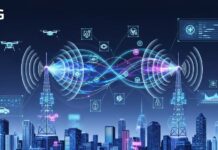
The pace of technological innovation in the telecommunications industry shows no sign of slowing down. As operators look toward the arrival of 6G and other future technologies, the need for efficient and simplified modernisation processes will only increase. Digital twin technology provides a flexible foundation for managing this continuous evolution. By maintaining a living virtual replica of the network, operators can stay ahead of the curve, constantly testing and integrating new technologies as they become available. This proactive stance ensures that the network is always ready to support the next generation of high-value services.
The integration of artificial intelligence with the digital twin platform will further simplify the modernisation process. AI algorithms can analyze the vast datasets gathered by the virtual models to identify the most efficient paths for network evolution. For example, the system could suggest a radical new network architecture that offers significant cost savings or identify a specific region where a particular upgrade will be highly profitable. This predictive capability transforms network modernisation from a reactive necessity into a strategic driver of innovation and growth.
Continuous data collection from the live network ensures that the virtual replicas are always reflective of the real-world environment. This virtuous cycle of data and analysis positions telecom operators to handle the increasing complexity of modern network modernisation with confidence. By embracing digital twin technology, the industry is not just updating its hardware, it is building a foundation for a more intelligent, efficient, and sustainable future. The integration of advanced modeling into the core of the modernisation process is a strategic necessity for any company committed to leading the telecommunications market.
Aligning Modernisation with Long-Term Corporate Strategy
Network evolution is more than just a technical exercise, it is a primary driver of corporate strategy and competitive advantage. The ability to launch new services faster and more efficiently than the competition is the key to long-term success. Digital twins allow for the alignment of technical modernisation planning with strategic business goals, such as expanding into new markets or improving customer satisfaction. By simulating the financial and operational impact of different modernisation paths, planners can demonstrate the value of their recommendations to the executive team, ensuring that technical investments are fully supported.
The collaboration between different departments, from engineering and operations to finance and marketing, is enhanced through the use of shared digital models. By providing a single, authoritative source of truth for the network’s current state and its future potential, the virtual replica enables a level of organizational alignment that was previously unattainable. The result is a more agile and responsive company that can capitalize on new opportunities and navigate the challenges of the rapidly evolving telecom landscape with confidence.
Strategic planning for future infrastructure investment decisions also benefits from the insights provided by virtual modeling. Operators can use the digital twin to determine the most cost-effective way to build out their next-generation infrastructure, accounting for the unique challenges of their specific regional footprint. The ability to simulate the long-term impact of modernisation choices ensures that the company builds a network that is not only faster for today’s demand but also more efficient and easier to manage for the challenges of tomorrow. This proactive approach to network design is the new standard for excellence in the digital age.