
















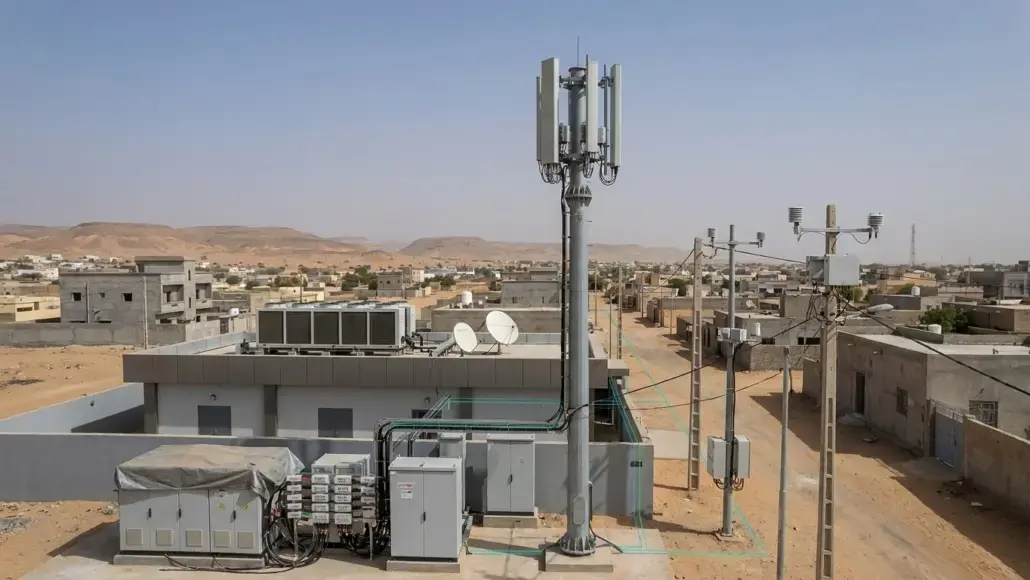

Mauritania is advancing its Mauritania IPv6 adoption strategy as part of its national 5G rollout, aiming to increase IPv6 usage to 25% by the end of 2026. The initiative is intended to strengthen digital infrastructure, improve network security and support the growing demand for connected technologies across the country.
Government Targets Wider IPv6 Deployment
Mauritania’s national IPv6 transition committee recently met to assess progress and discuss measures to accelerate the deployment of the internet protocol. The meeting was chaired by Ahmed Salem Ould Bede, Minister of Digital Transformation and Administrative Modernization.
According to the Ministry of Digital Transformation, expanding Mauritania IPv6 adoption is a key priority as the country prepares for broader 5G deployment. The ministry stated that IPv6 offers a modern network architecture capable of improving communication security, enhancing network efficiency and increasing the resilience of digital infrastructure.
Officials also noted that wider adoption will provide the scalability required to connect millions of devices while supporting emerging digital services.
IPv6 Supports Future Digital Services
The government expects Mauritania IPv6 adoption to play an important role beyond 5G by enabling technologies such as cloud computing, the Internet of Things (IoT), artificial intelligence and other next-generation digital applications.
All telecommunications operators in the country have already enabled IPv6 across their networks and services. According to the ministry, one operator has migrated more than 15% of its subscribers to the new protocol, demonstrating early progress toward the national target.
Challenges Could Slow Adoption
Despite the government’s ambitions, achieving 25% Mauritania IPv6 adoption by the end of 2026 remains uncertain. IPv6 implementation continues to progress slowly across much of Africa due to the technical and financial investments required to modernise existing networks, equipment and services.
The Internet Society has noted that many organisations remain cautious about accelerating deployment until partners, service providers and competitors adopt the protocol more broadly. These factors could continue to influence the pace of Mauritania’s transition.
Even so, the country’s ongoing IPv6 initiative reflects a broader effort to prepare its telecommunications infrastructure for future digital services and the continued expansion of 5G connectivity.