



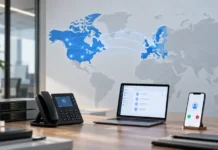






The reliability of telecommunications networks is fundamentally dependent on the stability of power supply systems. As networks become more centralized and support critical services like autonomous transportation and remote healthcare, the impact of a power outage extends far beyond simple connectivity loss. Digital twin technology has emerged as a vital tool for engineers seeking to understand and mitigate these risks. By creating a high-fidelity virtual replica of a network’s power infrastructure, operators can conduct sophisticated power failure modelling that accounts for a wide range of variables, from grid fluctuations to the performance of onsite backup systems. This virtual environment allows for the testing of “what-if” scenarios without risking the integrity of the live network, providing a level of foresight that was previously unattainable.
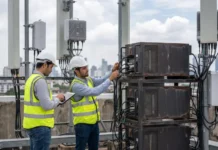
The complexity of modern telecom power systems, which often integrate traditional grid power with renewable energy sources and battery storage, requires a granular approach to analysis. A digital twin captures the real-time status of every component, including rectifiers, inverters, and cooling systems. By simulating the failure of a specific component or the loss of external grid power, operators can identify vulnerabilities that might otherwise remain hidden until a real-world event occurs. This proactive stance is essential for maintaining the high levels of availability required by modern service level agreements.
Simulating Grid Instability and External Power Threats
External power grids are subject to various stresses, including extreme weather events, aging infrastructure, and shifting demand patterns. Telecom operators must be prepared for these fluctuations to ensure continuous service. Through the use of digital twins, companies can conduct power failure modelling to see how their network will respond to sudden drops in voltage or complete grid blackouts. These simulations take into account the geographic distribution of sites and their respective connections to the utility grid, allowing for a localized understanding of power risks. By analyzing historical grid performance data within the virtual model, engineers can predict which areas are most likely to experience outages and prioritize upgrades accordingly.
The integration of renewable energy sources, such as solar arrays and wind turbines, introduces new variables into the power equation. While these sources enhance sustainability, their output is inherently variable. Digital twin simulations allow operators to model the interplay between renewable generation, battery storage levels, and network demand. This modeling helps in optimizing the sizing of backup systems, ensuring that there is sufficient capacity to bridge gaps in renewable output without relying solely on the grid. The ability to visualize these energy flows in a virtual space enables more effective management of microgrids at individual telecom sites.
Cybersecurity threats to power infrastructure represent another layer of risk that can be addressed through virtual modeling. By simulating a cyber-attack on a site’s power management system, operators can test the effectiveness of their security protocols and identify potential entry points for malicious actors. The digital twin provides a safe environment to explore different defensive strategies, ensuring that the physical network remains resilient in the face of evolving digital threats. This holistic view of power security is a key advantage of the digital twin approach.
Optimizing Backup Systems and Energy Storage Performance
When a primary power source fails, the network’s survival depends on the performance of backup systems, such as diesel generators and lithium-ion batteries. Traditional maintenance schedules often rely on periodic testing, which may not capture the true state of the hardware under stress. Digital twins integrate sensor data from these systems to provide a continuous assessment of their health. By conducting power system stress tests within the simulation, operators can determine exactly how long a specific site will remain operational on backup power. This data is critical for prioritizing technician dispatch during widespread outages, ensuring that sites with the least remaining capacity are addressed first.
Battery health is particularly sensitive to environmental conditions, such as temperature and humidity. A digital twin can model the thermal environment of an equipment room and its impact on battery degradation over time. This information allows for more accurate predictions of battery life and informs the optimization of cooling systems to extend the lifespan of energy storage assets. By simulating different discharge and recharge cycles, operators can identify the most efficient way to manage their battery fleets, reducing both capital expenditures and operational costs.
Generators also benefit from the virtual oversight provided by digital twins. The model can track fuel levels, engine performance, and exhaust emissions in real-time. In the event of a simulated failure, the digital twin can identify the most likely cause of a generator’s inability to start, allowing for more targeted maintenance. This level of detail reduces the time spent on troubleshooting and ensures that backup power is ready when it is most needed. The integration of predictive maintenance algorithms further enhances the reliability of these critical systems.
Enhancing Disaster Preparedness Planning and Response
Large-scale disasters, such as hurricanes or earthquakes, can cause widespread destruction to both the power grid and telecom infrastructure. Preparing for these events requires a coordinated effort that spans multiple departments and external agencies. Digital twins serve as the foundation for effective disaster preparedness planning, allowing operators to simulate the impact of catastrophic events on their power systems. By modeling the potential damage to transmission lines and substations, companies can develop more resilient network architectures that are less susceptible to single points of failure.
During an actual emergency, the digital twin becomes a real-time command center. It provides a visual map of the network’s power status, showing which sites are on grid power, which are on backup, and which are offline. This situational awareness is vital for coordinating with utility companies and emergency services. The simulation can also be used to predict how the outage will evolve, helping managers to stay ahead of the situation and allocate resources where they will have the greatest impact. The ability to share this data with external stakeholders ensures a more unified response to the crisis.
Post-disaster analysis is another critical function of the digital twin. By comparing the actual performance of the network during an event to the pre-disaster simulations, operators can refine their models and improve the accuracy of future predictions. This continuous improvement process ensures that the network becomes increasingly resilient over time. The data gathered during these events also provides evidence for regulatory filings and insurance claims, simplifying the administrative aftermath of a disaster.
Driving Efficiency in Power System Design and Procurement
The design phase of a new telecom site offers the greatest opportunity to optimize power performance. By using digital twins to model different equipment configurations, engineers can identify the most energy-efficient setup for a given location. These simulations consider the local climate, available power sources, and expected network load to recommend the optimal mix of rectifiers, batteries, and renewable systems. This data-driven approach eliminates guesswork and ensures that every new site is built for maximum reliability and minimum environmental impact.
Procurement teams also benefit from the insights provided by virtual modeling. By analyzing the long-term performance of different vendor products within the digital twin, the company can identify which components offer the best value over their entire lifecycle. This information is used to negotiate better terms with suppliers and to standardize on the most reliable hardware. The feedback loop between operational data and procurement decisions ensures that the network is constantly evolving toward higher levels of efficiency and performance.
Strategic planning for future network growth requires a clear understanding of power requirements. As 5G density increases, the demand for power at the edge of the network will grow significantly. Digital twin simulations allow operators to forecast these needs and plan for the necessary grid upgrades or onsite power enhancements well in advance. This proactive planning prevents delays in network expansion and ensures that the power infrastructure can keep pace with the rapid evolution of telecom technology.
Strengthening Network Resilience through Automated Monitoring
The ultimate goal of using digital twins for power management is to create a self-healing network that can respond to failures automatically. By integrating artificial intelligence with the digital twin platform, operators can develop systems that detect the early signs of a power failure and take corrective action without human intervention. For example, the system could automatically shift traffic away from a site with failing batteries or activate a remote generator before the grid power is lost. This level of automation significantly reduces the risk of downtime and improves the overall quality of service.
Automated monitoring also provides a wealth of data for long-term trend analysis. By tracking power consumption patterns across the entire network, the digital twin can identify opportunities for energy savings, such as peak shaving or load balancing. These insights can lead to substantial reductions in electricity costs and contribute to the company’s sustainability goals. The ability to visualize these trends in a centralized dashboard empowers management to make more informed decisions about the network’s energy strategy.
As the telecommunications industry continues to evolve, the importance of reliable power will only increase. Digital twin technology provides the necessary tools to handle this complexity, offering a powerful platform for analysis, optimization, and automation. By embracing these virtual models, telecom operators can ensure that their networks remain resilient, efficient, and ready for the challenges of the future. The integration of power failure modelling into the core operational workflow is no longer an option, it is a strategic necessity for any company committed to delivering world-class connectivity.