


















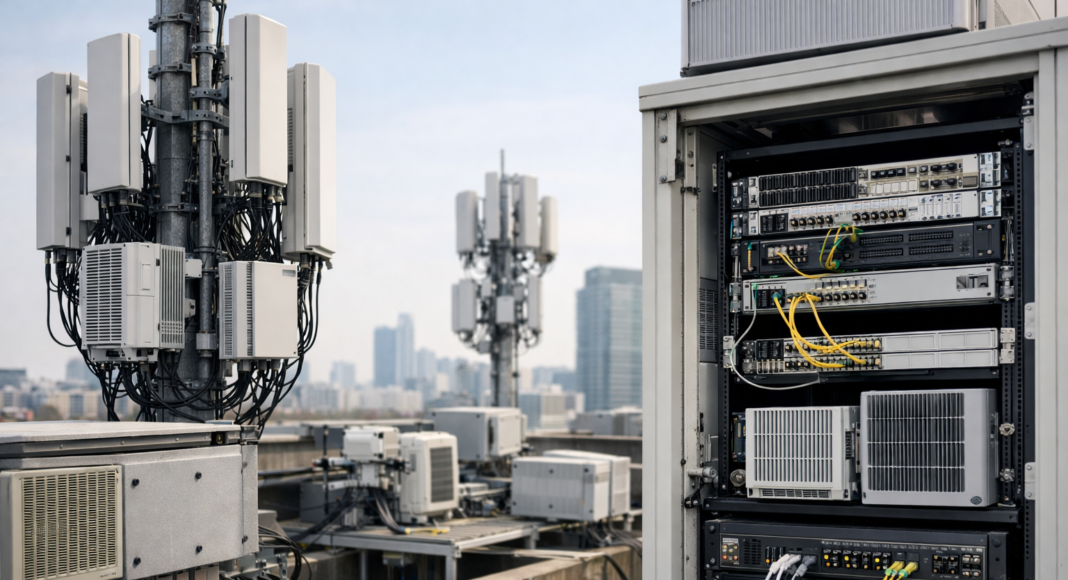

Ericsson and NTT DOCOMO have announced a collaboration focused on developing AI-native radio access network technology, aiming to bring greater automation and intelligence to telecom network infrastructure. The partnership centres on integrating artificial intelligence directly into the RAN architecture to support the evolution towards 5G Advanced and future 6G networks.
AI-Native Radio Access Network Innovation
The collaboration between Ericsson and NTT DOCOMO on AI-native RAN represents a significant effort to embed artificial intelligence capabilities at the core of radio access network operations. Rather than applying AI as an overlay, the two companies are working to make intelligence an inherent part of how networks function, enabling more efficient resource management, faster decision-making and improved network performance.
By pursuing this approach, the Ericsson and NTT DOCOMO RAN initiative seeks to address the growing complexity of modern mobile networks. As data traffic continues to rise and use cases diversify, traditional methods of network management face increasing limitations. AI-native design is intended to allow networks to adapt in real time, optimising coverage, capacity and energy consumption without manual intervention.
The technical objectives of the partnership include advancing automation across network planning, deployment and operations. This is expected to reduce operational overhead for network operators while simultaneously improving the quality of service delivered to end users. The work also aligns with broader industry efforts to prepare telecom infrastructure for the demands of next-generation connectivity.
Benefits for 5G Advanced and 6G Evolution
The Ericsson and NTT DOCOMO RAN collaboration is positioned to deliver tangible benefits as the industry moves towards 5G Advanced and eventually 6G. AI-native capabilities are expected to play a critical role in enabling the ultra-reliable, low-latency communication and massive connectivity that future network generations will require.
Telecom network automation driven by AI integration is anticipated to streamline how operators manage increasingly complex radio access networks. The partnership focuses on ensuring that these advancements are practical and deployable, rather than purely theoretical. Both companies have emphasised that the work is designed to produce results applicable to real-world network environments.
The radio access network remains one of the most resource-intensive components of any mobile operator’s infrastructure. By making AI a foundational element of the RAN, Ericsson and NTT DOCOMO aim to transform how these networks are built and operated, creating a more sustainable and efficient model for future telecommunications.
Company Statements and Next Steps
Both Ericsson and NTT DOCOMO have expressed commitment to deepening their collaboration on AI-native RAN technology. The companies view the initiative as essential to staying at the forefront of telecom network automation and radio access network innovation. Their joint efforts are expected to produce further developments as the partnership progresses.
The Ericsson and NTT DOCOMO RAN work is set to continue with a focus on refining AI integration techniques and validating them across different network scenarios. The collaboration underscores a shared belief that artificial intelligence will be fundamental to the next phase of mobile network evolution, from 5G Advanced through to the anticipated arrival of 6G.
As the two companies advance their joint programme, the telecom industry will be watching closely for the practical outcomes and technical milestones that emerge from this partnership.