









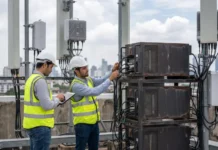
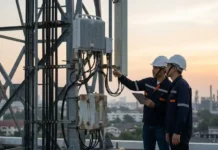

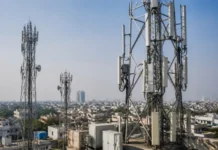

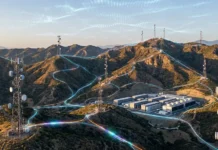






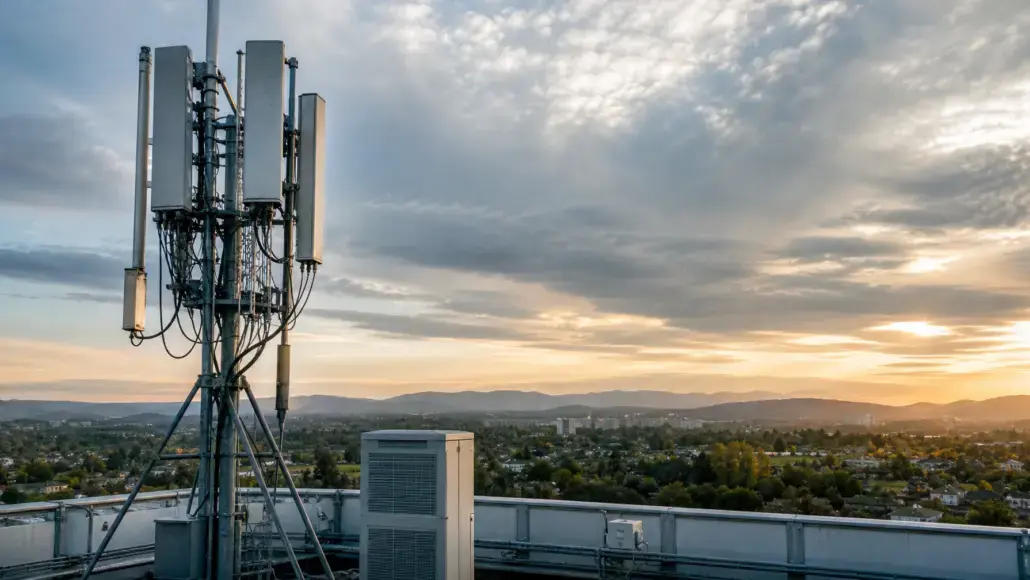

The evolution of telecommunications networks requires constant physical adjustments, ranging from hardware upgrades to the complete removal of legacy infrastructure. As operators transition from older generations like 2G and 3G to 5G and future 6G standards, the management of physical assets becomes a complex logistical challenge. Digital twin technology provides a high-fidelity virtual representation of physical sites, enabling operators to simulate and execute site decommissioning with unprecedented precision. By creating a synchronized digital model of a cell tower or data center, companies can visualize every component, cable, and structural element before any physical work begins. This virtualized approach reduces the risks associated with manual site visits, such as safety hazards for field technicians and inaccuracies in asset inventories.
The integration of digital twins into the infrastructure teardown workflow allows for a comprehensive assessment of the site’s current state. Traditional methods often rely on outdated paper records or incomplete digital databases, which leads to surprises during the teardown process. A digital twin captures the real-world configuration through LiDAR scanning or high-resolution drone imagery, providing a baseline that reflects the actual equipment installed. This level of detail is critical for identifying which components are still functional and suitable for relocation to other parts of the network, and which should be sold or recycled.
Enhancing Operational Precision through Virtual Site Surveys
Traditional site surveys often require multiple visits by engineering teams to verify equipment lists and structural integrity. These manual processes are prone to human error and frequently result in missing data regarding cable routing or secondary hardware. By employing digital twins, telecom providers can conduct virtual site surveys that capture the entirety of the physical environment in three dimensions. This virtual environment allows project managers to plan the removal sequence without setting foot on the property, identifying potential bottlenecks or specialized tool requirements early in the planning phase.
Precision in planning is essential for minimizing network downtime. When a site is slated for removal, nearby nodes must often be reconfigured to handle the shifted traffic load. Digital twin simulations help engineers understand how the removal of specific antennas or baseband units will affect the local RF environment. By modeling these changes in a virtual space, operators can adjust neighboring site parameters in advance, ensuring that the transition occurs without degrading user experience or violating service level agreements.
Safety remains a primary concern during the physical phase of removing telecom hardware. Climbing towers or working in confined equipment rooms involves inherent risks that are magnified by poor site documentation. Digital twins provide technicians with a clear map of the site, highlighting hazardous areas or complex structural configurations. This situational awareness allows for better risk assessment and the development of more effective safety protocols. Technical teams use these models to train field crews in a simulated environment, ensuring they are familiar with the site layout before they arrive for the actual work.
Optimizing Asset Recovery and Inventory Valuation
The financial aspects of removing telecom infrastructure are centered on the ability to recover value from decommissioned hardware. Modern networks contain a vast array of high-value components, including radio units, power systems, and specialized cabling. A digital twin acts as a living inventory that tracks the age, condition, and maintenance history of each asset. When site decommissioning occurs, the digital model provides a clear list of items that can be harvested for reuse. This systematic approach prevents valuable equipment from being scrapped prematurely and ensures that the company maximizes its return on previous capital expenditures.
Asset recovery is not merely about identifying what to keep, it is about understanding the logistical requirements for relocation. The digital twin includes data on the physical dimensions and weight of components, allowing logistics teams to plan for appropriate transportation and storage. This data integration streamlines the supply chain, as warehouse managers know exactly what is arriving and its operational status. By linking the digital twin to the central enterprise resource planning system, operators can maintain a continuous chain of custody for every piece of hardware, from the moment it is disconnected to its eventual redeployment or sale.
Valuation of recovered assets is often difficult without accurate performance data. Digital twins integrate sensor data and historical performance metrics, giving a clear picture of how an asset has functioned over its lifecycle. This information is invaluable when negotiating the sale of decommissioned equipment to secondary markets or calculating the depreciation of the network. The ability to demonstrate the operational health of a component through its digital twin increases its resale value and provides buyers with greater confidence in the hardware’s longevity.
Strategic Planning for Equipment Lifecycle Costs
Integrating digital models into the teardown phase provides a long-term advantage for managing equipment lifecycle costs. By analyzing the data gathered during the removal of legacy hardware, operators can gain insights into the durability and performance of different vendor products. These insights inform future procurement decisions, as the company can identify which brands or models had the highest failure rates or the most difficult removal processes. The feedback loop created by digital twin analysis ensures that every generation of network equipment is more cost-effective than the last.
Effective lifecycle management also involves the reduction of environmental impact. Site removal generates a significant amount of waste, including metals, plastics, and electronic components. Digital twins help operators categorize materials for recycling, ensuring compliance with environmental regulations and corporate sustainability goals. The virtual model can track the carbon footprint associated with the teardown process, from the fuel used by transport vehicles to the energy required for recycling activities. This data allows telecom firms to report their environmental performance with greater accuracy and transparency.
The long-term storage of decommissioned assets requires significant space and management resources. Digital twins assist in optimizing warehouse layouts by providing 3D models of the recovered hardware. This allows for better space utilization and more efficient retrieval processes when an asset is needed for a new project. By maintaining a digital record of stored equipment, companies can avoid redundant purchases, as engineers can easily search the virtual inventory for suitable components before requesting new hardware from vendors.
Streamlining Regulatory Compliance and Documentation
Telecom operators must adhere to a strict set of regulations when altering or removing physical infrastructure. These rules often involve local zoning laws, environmental protections, and aviation safety requirements. Digital twins simplify the process of obtaining necessary permits by providing regulators with detailed, visual documentation of the proposed work. Instead of submitting static blueprints, operators can provide an interactive model that clearly shows the impact of the site decommissioning on the surrounding environment. This transparency builds trust with local authorities and can significantly speed up the approval process.
Documentation for site decommissioning must be exhaustive to meet both internal audit requirements and external regulatory standards. The digital twin automatically generates reports that detail every action taken during the project, from the initial survey to the final site restoration. This digital trail includes timestamps, technician logs, and photo evidence of the completed work. Having a centralized, immutable record of the teardown process reduces the risk of legal disputes and simplifies the task of proving compliance during audits.
The restoration of a site to its original condition is often a requirement of lease agreements. Digital twins capture the baseline state of the property before any telecom equipment was installed, providing a clear target for the restoration process. By comparing the current state of the site to the digital baseline, project managers can ensure that all structural modifications have been reversed and the land is returned to the owner in the agreed-upon condition. This attention to detail prevents costly penalties and maintains positive relationships with property owners, which is vital for securing future site leases.
Future Proofing Decommissioning through Artificial Intelligence
As digital twins become more sophisticated, the integration of artificial intelligence will further enhance the site removal process. AI algorithms can analyze thousands of digital twins across a national network to identify patterns and predict which sites will require removal in the coming years. This predictive capability allows operators to plan their resources more effectively, avoiding the need for emergency removals and reducing the overall cost of network transitions. The combination of virtual modeling and predictive analytics creates a proactive management environment where site removal is a strategic tool rather than a reactive necessity.
AI can also optimize the sequence of teardown activities across multiple sites. By considering factors like technician availability, proximity to warehouses, and network traffic patterns, an AI-driven digital twin platform can generate the most efficient schedule for a regional teardown project. This level of optimization minimizes travel time and maximizes the productivity of field crews, leading to significant savings in labor costs. The system can automatically adjust schedules in response to unforeseen events, such as severe weather or equipment failures, ensuring the project remains on track.
The continuous data collection enabled by digital twins ensures that the industry’s knowledge base is constantly expanding. Every teardown project contributes new data to the virtual models, refining the simulations and improving the accuracy of future predictions. This virtuous cycle of data and analysis positions telecom operators to handle the increasing complexity of modern networks with confidence. By embracing digital twin technology, the industry is not just removing old hardware, it is building a foundation for a more efficient, sustainable, and technologically advanced future.