









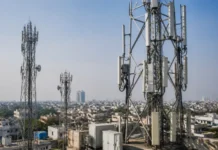











For decades, mobile connectivity has depended almost entirely on terrestrial infrastructure. Cellular towers, fibre backhaul, and radio access networks have formed the foundation of modern telecommunications, delivering voice, messaging, and data services across increasingly connected societies. While these networks continue to evolve through advancements in 5G and cloud-native architectures, extending reliable coverage to remote regions, disaster-prone areas, and underserved locations remains an ongoing challenge.
The emergence of Direct to Device Satellite Connectivity is redefining how telecom networks address these limitations. Rather than relying exclusively on terrestrial infrastructure, this technology enables compatible mobile devices to communicate directly with satellites, creating an additional layer of connectivity that complements existing cellular networks. What initially began as a solution for emergency messaging is now evolving into a broader communications capability with applications spanning consumer mobility, enterprise operations, public safety, and critical infrastructure.
The growing interest in Direct to Device Satellite Connectivity also reflects a wider transformation across the telecommunications industry. Increasing demand for ubiquitous connectivity, expanding digital services, and the rapid adoption of connected devices are encouraging operators to explore hybrid network architectures that combine terrestrial and non-terrestrial infrastructure. Instead of viewing satellite communications as a niche service, the industry is increasingly recognising its role in supporting resilient, continuous, and geographically extensive connectivity.
As telecommunications networks continue evolving toward 5G Advanced and future 6G ecosystems, Direct to Device Satellite Connectivity is becoming an important component of next-generation network strategies. By extending mobile coverage beyond the reach of conventional cellular infrastructure, it is helping reshape how telecom networks deliver reliable communications across increasingly diverse operating environments.
Direct to Device Satellite Connectivity Is Expanding Beyond Emergency Communications
Satellite communications have traditionally been associated with specialised industries such as maritime operations, aviation, defence, and remote resource extraction. Access to satellite services often required dedicated hardware, limiting widespread adoption across mainstream mobile markets. Recent advances in satellite technology, mobile chipsets, and network integration are changing this landscape by making Direct to Device Satellite Connectivity accessible through compatible smartphones and connected devices.
Early implementations focused primarily on emergency communications, allowing users to send distress messages when terrestrial networks were unavailable. While emergency services remain an important use case, Direct to Device Satellite Connectivity is rapidly expanding into broader communication scenarios. Future applications are expected to include text messaging, voice services, low-bandwidth data transmission, asset tracking, and support for connected devices operating outside conventional cellular coverage.
This evolution reflects changing user expectations. Consumers and enterprises increasingly expect uninterrupted connectivity regardless of geographical location. Whether supporting travellers in remote regions, workers operating in isolated industrial sites, or emergency response teams during natural disasters, Direct to Device Satellite Connectivity is helping close longstanding coverage gaps while improving overall network resilience.
Rather than functioning as an independent communications platform, satellite-enabled mobile connectivity is emerging as an extension of existing telecom networks. This complementary approach allows mobile devices to transition between terrestrial and satellite coverage as network conditions change, improving service continuity without fundamentally changing the user experience.
Hybrid Satellite-Terrestrial Networks Are Redefining Telecom Infrastructure
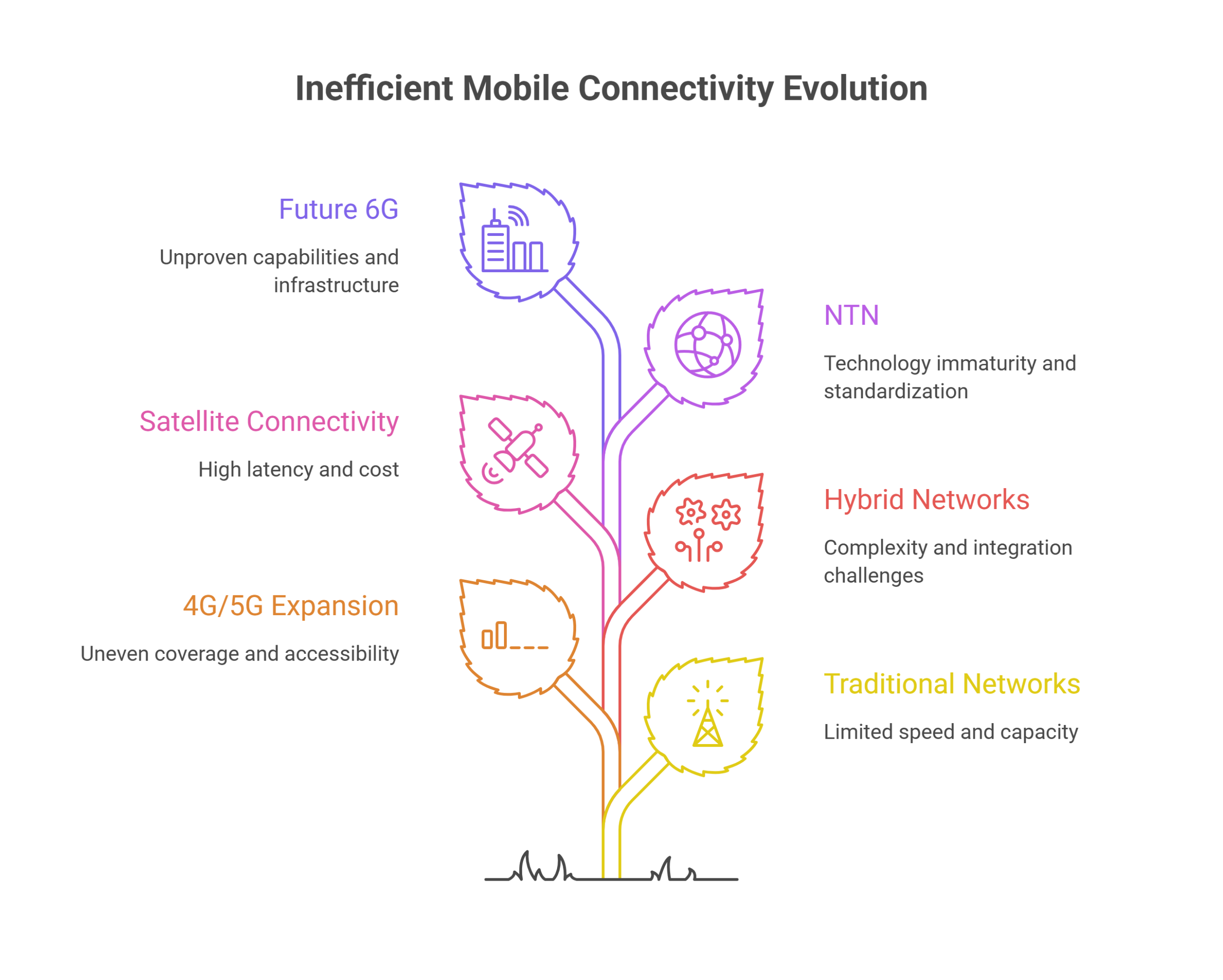
The growing adoption of Direct to Device Satellite Connectivity is encouraging the telecommunications industry to rethink traditional network architecture. Instead of treating satellite and terrestrial infrastructure as separate communication systems, operators are increasingly exploring hybrid networks that combine both technologies to provide broader and more resilient coverage.
In this hybrid model, terrestrial infrastructure continues to deliver high-capacity connectivity across densely populated areas where cellular networks remain the most efficient solution. Satellite connectivity complements this infrastructure by extending service to locations where deploying conventional base stations may be technically challenging or economically impractical. Together, these technologies create a more flexible communications environment capable of supporting users across urban centres, rural communities, offshore locations, mountainous regions, and other difficult-to-reach areas.
Hybrid architectures also strengthen network resilience during unexpected disruptions. Natural disasters, extreme weather events, or damage to terrestrial infrastructure can interrupt conventional mobile services at precisely the moment reliable communications are most critical. By incorporating Direct to Device Satellite Connectivity into broader telecom strategies, operators can provide an additional communication pathway that helps maintain service continuity during network outages and emergency situations.
As non-terrestrial networks become more closely integrated with existing mobile infrastructure, Direct to Device Satellite Connectivity is evolving from a specialised capability into a strategic component of future telecom networks. This convergence supports broader industry objectives of improving coverage, increasing network reliability, and delivering more resilient connectivity across increasingly connected digital ecosystems.
Direct to Device Satellite Connectivity Creates New Enterprise Opportunities
While consumer smartphone connectivity has attracted significant attention, the long-term value of Direct to Device Satellite Connectivity extends far beyond personal communications. Enterprises operating across remote, geographically dispersed, or infrastructure-limited environments increasingly require continuous network availability to support business-critical operations. As a result, satellite-enabled mobile connectivity is becoming an important addition to enterprise telecommunications strategies.
Industries such as mining, energy, agriculture, transportation, maritime logistics, aviation, and utilities often operate in regions where terrestrial mobile coverage is limited or unavailable. Direct to Device Satellite Connectivity enables field personnel, connected assets, and monitoring systems to remain connected without depending solely on traditional cellular infrastructure. This improves operational visibility, supports workforce safety, and enhances communication during routine operations as well as emergency situations.
The technology also supports broader digital transformation initiatives by extending reliable connectivity to Internet of Things (IoT) devices, environmental monitoring systems, asset tracking platforms, and remote inspection applications. As enterprises continue deploying connected technologies across increasingly diverse operating environments, Direct to Device Satellite Connectivity is helping bridge coverage gaps that have historically limited the expansion of digital services beyond conventional network footprints.
Infrastructure Challenges Will Shape Future Adoption
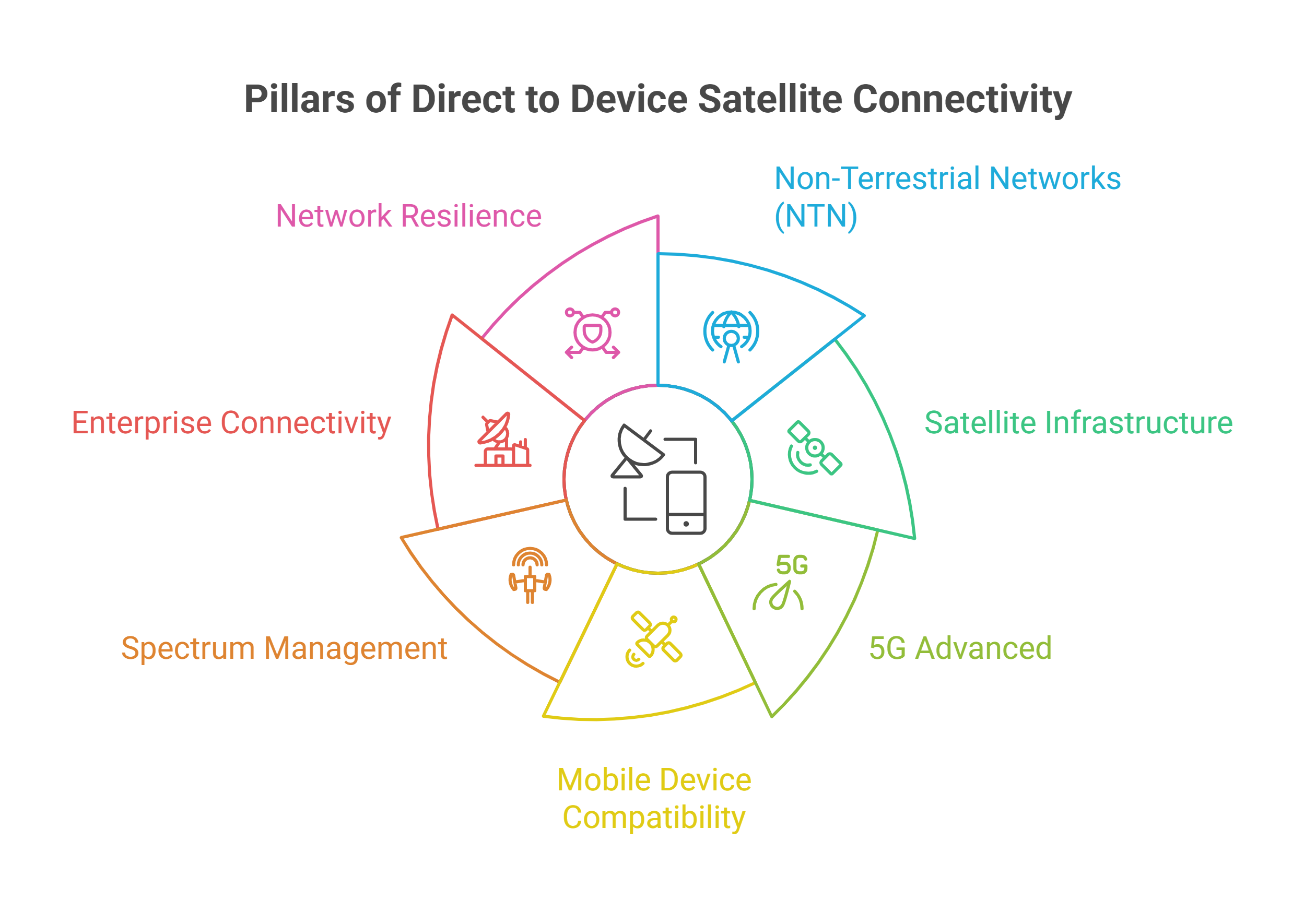
Despite its growing potential, the widespread adoption of Direct to Device Satellite Connectivity depends on overcoming several technical, regulatory, and operational challenges. Integrating satellite communications into existing telecom networks requires close coordination between terrestrial infrastructure, satellite systems, mobile devices, and international spectrum management frameworks. Achieving seamless interoperability across these environments remains a key priority for the telecommunications industry.
Device compatibility is another important consideration. While advances in mobile chipsets and antenna technologies are expanding support for satellite-enabled communications, ensuring consistent performance across a broad range of smartphones and connected devices will require continued technological development. Maintaining reliable connectivity while balancing battery efficiency, signal performance, and user experience is essential for large-scale adoption of Direct to Device Satellite Connectivity.
Regulatory frameworks will also influence future deployment. Spectrum allocation, licensing requirements, cross-border coordination, and evolving non-terrestrial network standards will shape how satellite-enabled services are integrated into national and international telecommunications ecosystems. As the industry moves toward greater standardization, collaboration between regulators, satellite providers, equipment manufacturers, and telecom operators will play an important role in supporting sustainable deployment.
Direct to Device Satellite Connectivity Will Complement Rather Than Replace Cellular Networks
Although satellite-enabled mobile communications are advancing rapidly, Direct to Device Satellite Connectivity is not intended to replace conventional cellular infrastructure. Terrestrial mobile networks remain the most efficient solution for delivering high-capacity, low-cost connectivity across densely populated urban and suburban environments. Instead, satellite communications are emerging as a complementary access layer that strengthens overall network coverage and resilience.
Future telecom networks are expected to combine terrestrial and non-terrestrial infrastructure into integrated communication ecosystems capable of automatically selecting the most appropriate connection based on location, network availability, and service requirements. Within this hybrid architecture, Direct to Device Satellite Connectivity extends communication beyond the reach of traditional mobile networks while allowing users to experience seamless service continuity across different environments.
This complementary approach also aligns with the industry’s long-term evolution toward 5G Advanced and 6G. Future wireless standards increasingly recognise non-terrestrial networks as an important part of broader connectivity strategies, enabling satellite systems to work alongside terrestrial infrastructure rather than operating independently. As hybrid network architectures continue to mature, Direct to Device Satellite Connectivity is expected to strengthen overall network performance by improving coverage, reliability, and resilience across diverse geographical regions.
Conclusion
The rapid evolution of Direct to Device Satellite Connectivity reflects a broader shift in how telecommunications networks are designed to deliver continuous, resilient, and geographically extensive communications. By extending mobile connectivity beyond the limitations of terrestrial infrastructure, satellite-enabled communications are becoming an increasingly important component of modern telecom strategies for both consumer and enterprise applications.
As the telecommunications industry continues integrating non-terrestrial networks with existing mobile infrastructure, Direct to Device Satellite Connectivity is helping create more flexible and resilient communication ecosystems. While challenges related to interoperability, regulation, device compatibility, and spectrum management remain, the technology is reinforcing rather than replacing conventional cellular networks. Together, terrestrial and satellite connectivity are laying the foundation for more reliable, inclusive, and future-ready telecom infrastructure.