




















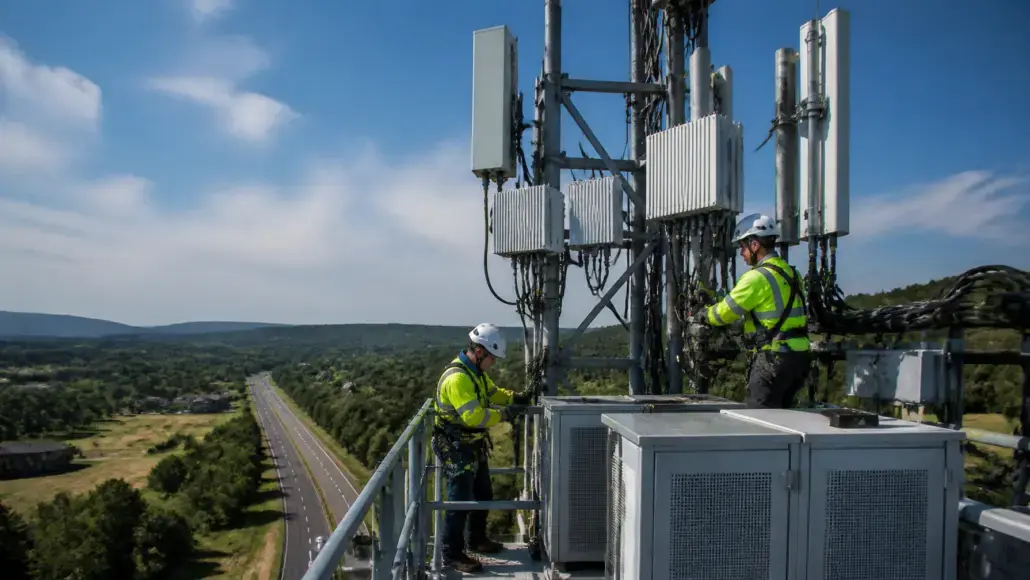

AT&T has selected Ericsson to supply 600MHz dual-band radios as the American operator moves to deploy newly acquired low-band spectrum across its nationwide wireless infrastructure. The deal forms a central part of the carrier’s broader wireless network modernisation programme, which is now more than 60 per cent complete.
The operator said the deployment is aimed at strengthening capacity, coverage, and performance, with particular emphasis on improving reliability in harder-to-reach locations such as indoor environments and rural communities. The 600MHz spectrum band is especially suited to this purpose because its signals can travel farther and penetrate buildings more effectively than higher-frequency bands, helping customers maintain connectivity at home, at work, and while on the move.
Measurable Performance Gains Across Upgraded Areas
In regions where wireless network modernisation upgrades using Ericsson infrastructure have already been completed, AT&T reported that customers are experiencing up to a twofold improvement in average speeds. The operator also cited a 10 per cent reduction in dropped and blocked calls and up to a 70 per cent reduction in instances of slower data speeds.
Additionally, standardising equipment at the top of cell towers has cut uplink interference by as much as 80 per cent, according to AT&T. These results underscore the tangible benefits the wireless network modernisation effort is delivering as the rollout progresses across the country.
Ericsson was chosen through an open, competitive process to supply the 600MHz dual-band radios. The new equipment will enable AT&T to deploy uplink-enhancing 8RX technology across low-band spectrum for the first time, a step that is expected to further improve coverage consistency and uplink performance for subscribers nationwide.
Building for AI and Open RAN at Scale
AT&T noted that the infrastructure work is designed to strengthen the network for AI-driven applications, including content creation, sharing, and real-time interaction. The deployment builds on a previously announced collaboration between the two companies to accelerate open RAN deployment across the operator’s footprint.
Yigal Elbaz, SVP and Network CTO at AT&T, said the wireless network modernisation programme is progressing according to plan. “We’re more than halfway through our wireless network modernisation, and we’re executing to plan,” Elbaz stated. “By combining our newly acquired 600MHz spectrum with Ericsson’s advanced radios, we’re improving coverage and performance for customers today while building a more modern, flexible network for the future.”
Dyon Agnew, SVP and Head of Customer Unit AT&T at Ericsson Americas, said the deployment demonstrates the impact open architectures can have on performance at scale. Agnew added that the two companies are working together to deliver faster speeds and more consistent coverage across the United States.
The 600MHz spectrum became available to AT&T following the completion of a deal valued at 23 billion dollars, which received final approval in July 2026. The operator had already begun deploying 3.45GHz spectrum acquired through a short-term spectrum manager lease arrangement prior to the transaction’s formal closure.
What Comes Next
AT&T confirmed it will share further details on the timing and commercial availability of the 600MHz deployment at a later date. As the wireless network modernisation effort moves past the halfway mark, the integration of new low-band spectrum and advanced dual-band radios positions the operator to expand reliable coverage into areas that have historically been underserved, while simultaneously preparing the network for next-generation applications and open RAN architectures at national scale.