

















Tuesday, September 22, 2026

Network APIs Expanding Telecom Security in Fraud Prevention

Note* - All images used are for editorial and illustrative purposes only and may not originate from the original news provider or associated company.

Related stories

Subscriber Identity Controls Becoming a Greater Telecom Security...

Mobile networks increasingly depend on digital credentials that determine...

Vulnerability Reporting Obligations Reaching Telecom Equipment Suppliers

Telecom security responsibility is increasingly extending beyond network operators...

VodafoneThree Brings Ericsson Cloud Native 5G Core Live

VodafoneThree and Ericsson have reached a significant milestone with...

Telecom networks contain security signals that banks, fintechs and other digital services may not be able to observe directly, including changes to SIM and device relationships, mobile-number associations and other network-level indicators. As these capabilities become accessible through standardised interfaces, network API fraud prevention is extending telecom security beyond the operator’s own systems. Tele Info Today notes that the development is creating a more connected security model in which network-derived signals can support fraud assessment across the wider digital ecosystem.

Telecom Networks are Becoming Sources of Fraud Signals

A financial institution can identify an unusual login or transaction, but it may not independently know whether a customer’s SIM was recently replaced or whether the mobile number is still associated with the device being used. Telecom operators can provide those signals because the network has direct visibility into subscriber and device relationships.

This creates an additional layer of risk intelligence. Number Verification can help confirm whether the mobile number being used by an application matches the number associated with the mobile connection. SIM Swap can indicate whether a recent SIM change has occurred, while Device Swap can identify a change in the relationship between a mobile number and physical device.

These capabilities do not determine that fraud has occurred. Instead, they give an external service another security signal that can be combined with transaction behaviour, account history and authentication data. Network API fraud prevention therefore works as part of a broader risk-assessment process rather than as an isolated fraud-detection tool.

Network APIs are Making Security Signals Accessible

The development is being supported by the GSMA Open Gateway and CAMARA ecosystems, which are creating standardised interfaces for exposing selected mobile-network capabilities to authorised applications. In March 2026, GSMA reported that its Open Gateway framework covered 86 operator groups and more than 300 networks, representing 80% of global mobile connections.

The scale of the ecosystem matters because fraud-prevention applications become more practical when they can access consistent network capabilities across multiple operators and markets. Standardised APIs can reduce the need for separate integrations while allowing operators to retain control over how network information is exposed.

For network API fraud prevention, this creates a new relationship between telecom cybersecurity and external digital services. Network security signals can move through controlled interfaces into fraud-management systems, where they can help determine whether an interaction requires additional verification or intervention.
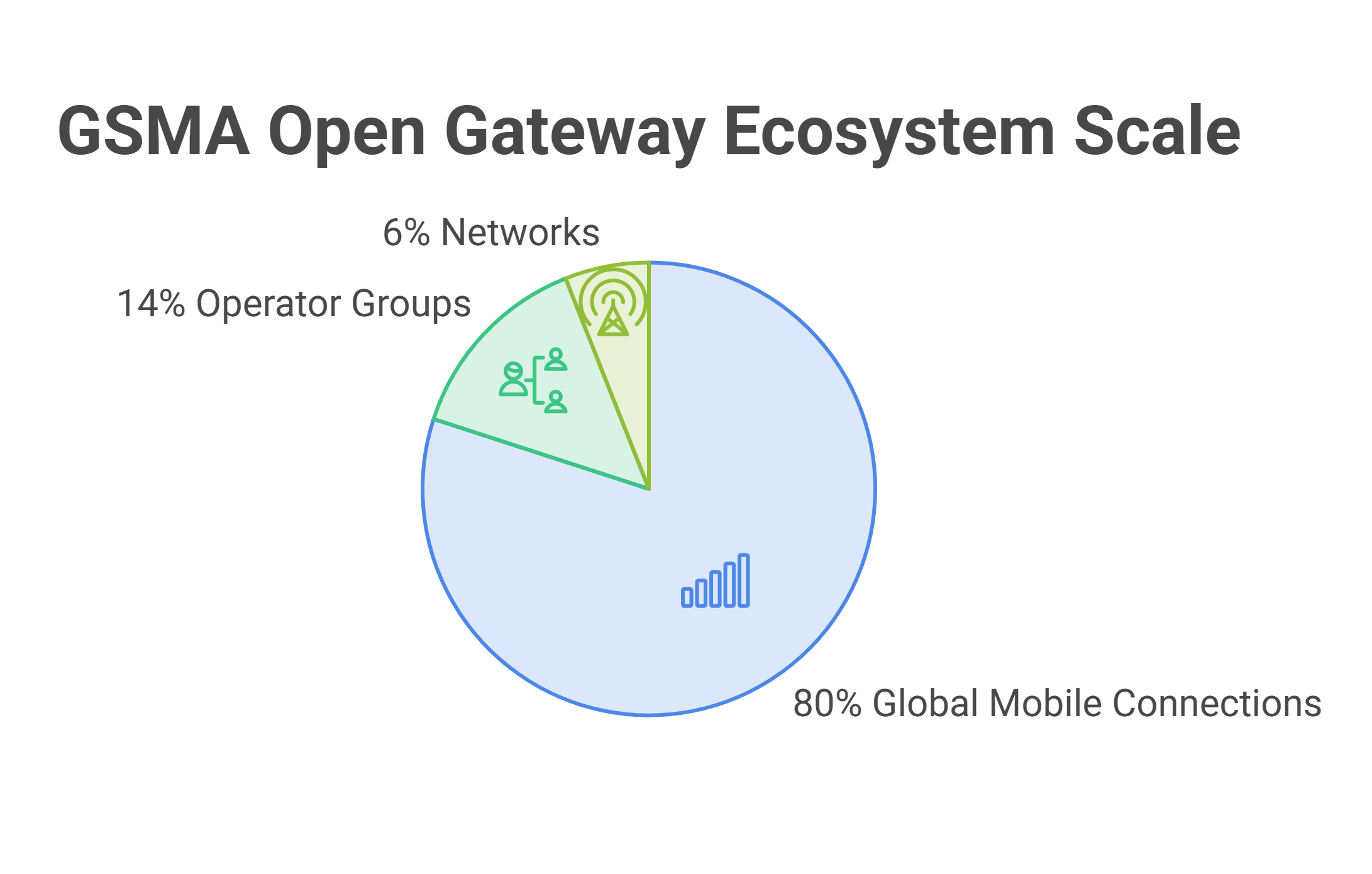
Key Takeaway: The expanding global network-API ecosystem is creating a wider infrastructure through which trusted telecom security signals can support fraud prevention beyond the operator’s own network.

Network Intelligence is Becoming a Fraud Prevention Layer

The security value of network APIs becomes clearer when telecom-derived information is combined with the transaction and identity data already used by banks and digital services. A payment provider may see an unusual transaction, while the mobile operator can provide additional information about the subscriber’s SIM, device or number relationship. Bringing these signals together can give fraud systems more context before a sensitive action is approved.

This is making network API fraud prevention increasingly relevant to account takeover, payment scams and identity-related fraud. The API does not determine whether a transaction is fraudulent by itself. Instead, it provides a network-derived signal that can be evaluated alongside existing risk indicators.

Identity Signals are Moving into Financial Services

SIM Swap is one of the clearest examples. An authorised service can check whether a recent change has occurred to the SIM associated with a mobile number. A bank could use that information as an additional risk signal when a customer attempts a password reset, account recovery or high-value transaction shortly after the change.

Number Verification addresses a different question. It can help confirm whether the mobile number being presented by an application corresponds with the mobile connection being used. Device Swap adds another layer by indicating whether the relationship between a number and physical device has changed.

Used together, these signals can provide a broader picture of mobile identity risk. Network API fraud prevention can therefore support a layered approach in which telecom information complements transaction monitoring, behavioural analysis and customer authentication rather than replacing them.

Scam Detection is Moving Toward Real-Time Network Signals

The model is expanding beyond identity checks into active scam prevention. GSMA’s Scam Signal initiative is designed to provide real-time network intelligence that can help participating financial institutions identify suspicious interactions associated with scams and authorised push payment fraud.

A UK deployment involving major mobile networks provides a concrete example. GSMA reports that Scam Signal coverage reached 85% of UK mobile users, while the organisation’s case study records £450.7 million in authorised push payment fraud losses in 2024. A separate measurement from the deployment reported up to 40% improvement in detection rates, which relates to that specific implementation rather than the wider industry.

The value of such signals lies in timing. If a network indicator reaches a bank before a customer completes a sensitive transaction, the bank can potentially request additional verification, delay the transaction or apply another control. This moves telecom security closer to the point at which financial harm can occur.

The same principle can apply across other digital services. A fintech application, merchant platform or online service can incorporate authorised network signals into its own risk engine, provided the relevant APIs, permissions and commercial arrangements are in place.

Network API fraud prevention is therefore creating a more collaborative security model in which telecom operators contribute real-time network intelligence to fraud systems operated by other sectors.

The approach still requires careful controls. A legitimate SIM replacement or device change should not automatically be treated as evidence of fraud, while a verified number does not prove that a user is acting legitimately. Network signals work best as additional context within a broader security decision.

As more operators expose standardised fraud-related capabilities, the role of telecom networks is expanding from protecting connectivity toward supplying trusted security signals that can be used across the wider digital economy.

Tele Info Today brings together the global telecoms industry — from network operators and connectivity providers to technology innovators and digital services leaders — through trusted editorial, market intelligence, and digital engagement.

Our 2026 Media Pack offers integrated solutions to reach your audience:

  • Magazine & Digital Editions Showcase your brand within premium telecoms industry coverage read by executives and decision-makers worldwide.
  • Industry Insights & Reports Align with data-driven analysis, trend reports, and regional roundups across the global telecommunications and digital services value chain.
  • Brand Authority & Credibility Position your company as a thought leader through expert commentary, interviews, and special features.

Subscribe

- Never miss a story with notifications

- Gain full access to our premium content

- Browse free from any location or device.

Media Packs

Expand Your Reach With Our Customized Solutions Empowering Your Campaigns To Maximize Your Reach & Drive Real Results!

– Access the Media Pack Now

– Book a Conference Call

Leave Message for Us to Get Back

Latest stories

Related stories

Subscriber Identity Controls Becoming a Greater Telecom Security...

Mobile networks increasingly depend on digital credentials that determine...

Vulnerability Reporting Obligations Reaching Telecom Equipment Suppliers

Telecom security responsibility is increasingly extending beyond network operators...

VodafoneThree Brings Ericsson Cloud Native 5G Core Live

VodafoneThree and Ericsson have reached a significant milestone with...

Ericsson and Erillisverkot Demonstrate 5G ISAC Drone Detection...

Ericsson and Finland’s Erillisverkot have demonstrated how 5G networks...

Subscribe

- Never miss a story with notifications

- Gain full access to our premium content

- Browse free from any location or device.

Media Packs

Expand Your Reach With Our Customized Solutions Empowering Your Campaigns To Maximize Your Reach & Drive Real Results!

– Access the Media Pack Now

– Book a Conference Call

Leave Message for Us to Get Back

Translate »