


















Close
SATEXPO 2026
Wednesday, April 8, 2026
CIOE 2026

Foxconn seeks to work with STMicro to build India chip plant after parting ways with Vedanta

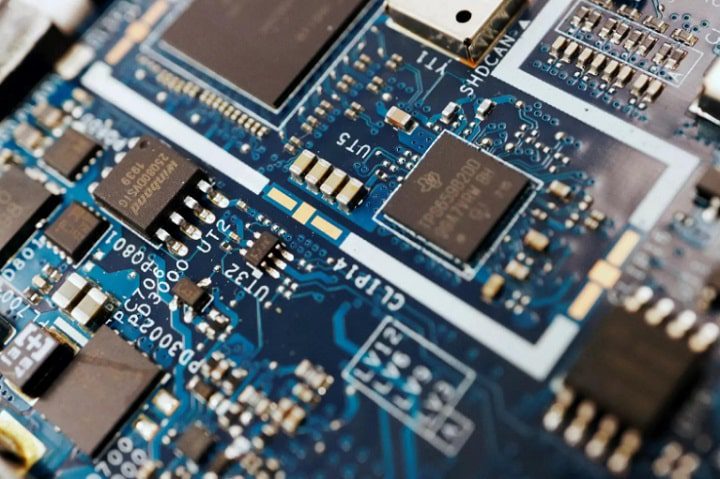
Note* - All images used are for editorial and illustrative purposes only and may not originate from the original news provider or associated company.

Subscribe

- Never miss a story with notifications

- Gain full access to our premium content

- Browse free from any location or device.

Media Packs

Expand Your Reach With Our Customized Solutions Empowering Your Campaigns To Maximize Your Reach & Drive Real Results!

– Access the Media Pack Now

– Book a Conference Call

Leave Message for Us to Get Back

Related stories

Non-Terrestrial Networks Expanding Telecom Infrastructure

Non-terrestrial networks are redefining the boundaries of global connectivity by incorporating satellites, high-altitude platforms, and drones into the existing cellular framework. This expansion addresses the inherent limitations of ground-based towers, offering a resilient and comprehensive solution for rural coverage, emergency communications, and disaster recovery on a worldwide scale.

Satellite Integration Accelerating 5G and 6G Networks

Modern telecommunications are undergoing a profound shift as space-based assets merge with terrestrial cellular infrastructure to deliver ubiquitous high-speed connectivity. This evolution addresses the geographical limitations of traditional base stations, creating a unified global network capable of supporting the next generation of mobile technology and massive machine-type communications.

Satellite Backhaul Enabling Scalable Telecom Operations

Satellite backhaul has emerged as a cornerstone of modern network design, providing a flexible and cost-effective alternative to terrestrial fiber and microwave links. This technology allows telecom operators to bypass the physical constraints of ground-based infrastructure, facilitating rapid expansion into rural and underserved markets while maintaining a high standard of data transmission and service reliability.

Foxconn Technology Group is teaming up with STMicroelectronics NV for a bid to build a semiconductor factory in India, seeking state backing to broaden its footprint in the South Asian country.

Taiwan’s Foxconn and Franco-Italian STMicro are applying for state support for a 40-nanometer chip plant, people familiar with the matter said, asking not to be identified as the plan isn’t public. Such mature chips are used in cars, cameras, printers and a wide variety of other machines.

The move comes after Foxconn’s attempted partnership with billionaire Anil Agarwal’s Vedanta Resources Ltd. fell apart after a year of little progress. By partnering with STMicro, contract manufacturer Foxconn is tapping the expertise of a chip-industry pioneer to expand in the lucrative but difficult semiconductor business.

The failure of Foxconn’s previous attempt with metals company Vedanta underscores how difficult it is to set up new semiconductor plants, massive complexes that cost billions of dollars to build and require very specialized expertise to run. Neither Foxconn or Vedanta have previous significant experience in chipmaking and their joint venture was thwarted by delays in finding a partner with production-ready chip technology and obtaining approvals for state subsidies.

New Delhi has asked Foxconn, best known as Apple Inc.’s key assembly partner, for more details about its partnership with STMicro, the people said. Foxconn is also in talks with a few other companies that have chip-making technology, one of the people said.

India’s technology ministry didn’t respond to a request for comment. Foxconn and STMicro spokespersons declined to comment.

India, like countries including the US, is trying to boost chip output to reduce reliance on expensive imports and dependence on Taiwan and China. Prime Minister Narendra Modi has pledged $10 billion to woo chipmakers, promising his administration will bear half the cost of setting up semiconductor sites. That effort has prompted US memory chip firm Micron Technology Inc. to announce a $2.75 billion assembly and testing facility in Modi’s home state of Gujarat.

Any chip project, including Foxconn’s, will have to make detailed disclosures including whether it has firm, binding agreements with a technology partner for production, as well as financing plans comprising equity and debt arrangements. The applicants also need to disclose the type of semiconductors they’ll make and their target customers.

Other chip-related firms moving into India include Advanced Micro Devices Inc. and equipment maker Applied Materials Inc., which plan to spend $400 million each on R&D and engineering centers in the southern tech hub of Bengaluru.

Latest stories

Related stories

Non-Terrestrial Networks Expanding Telecom Infrastructure

Non-terrestrial networks are redefining the boundaries of global connectivity by incorporating satellites, high-altitude platforms, and drones into the existing cellular framework. This expansion addresses the inherent limitations of ground-based towers, offering a resilient and comprehensive solution for rural coverage, emergency communications, and disaster recovery on a worldwide scale.

Satellite Integration Accelerating 5G and 6G Networks

Modern telecommunications are undergoing a profound shift as space-based assets merge with terrestrial cellular infrastructure to deliver ubiquitous high-speed connectivity. This evolution addresses the geographical limitations of traditional base stations, creating a unified global network capable of supporting the next generation of mobile technology and massive machine-type communications.

Satellite Backhaul Enabling Scalable Telecom Operations

Satellite backhaul has emerged as a cornerstone of modern network design, providing a flexible and cost-effective alternative to terrestrial fiber and microwave links. This technology allows telecom operators to bypass the physical constraints of ground-based infrastructure, facilitating rapid expansion into rural and underserved markets while maintaining a high standard of data transmission and service reliability.

Cloud Integrated Satellite Networks Transforming Telecom

The synergy between cloud computing and satellite communications is creating a more agile and responsive telecommunications framework. By virtualizing ground stations and moving network functions into the cloud, operators can provide high-speed data processing and real-time connectivity to global enterprises regardless of their location, driving a new wave of digital transformation.

Subscribe

- Never miss a story with notifications

- Gain full access to our premium content

- Browse free from any location or device.

Media Packs

Expand Your Reach With Our Customized Solutions Empowering Your Campaigns To Maximize Your Reach & Drive Real Results!

– Access the Media Pack Now

– Book a Conference Call

Leave Message for Us to Get Back

Translate »